7 Things You Need to Know About the New NZ Concrete Block Standards Coming July 2026
- New NZS 4229 concrete block standards require 25% higher compressive strength minimums from July 2026.
- Auckland and Wellington seismic zones now mandate additional reinforcement spacing requirements for blockwork over 2.4m height.
- Block manufacturers estimate 8-12% price increases to meet upgraded fire resistance ratings.
Key Standards Changes at a Glance
1. Compressive strength requirements jump significantly
The updated NZS 4229 standard lifts minimum compressive strength from 7.5 MPa to 9.4 MPa for standard concrete blocks used in structural applications. This 25% increase brings New Zealand in line with Australian AS 3700 requirements, but it’s catching many contractors off-guard.
Blocks currently on job sites or in supplier yards won’t meet the new standard after July 1st. If you’re planning blockwork projects for late 2026, order your materials now or budget for the higher-grade blocks. Golden Bay Cement and Firth Industries have confirmed their block plants are already transitioning production, but expect supply shortages in August and September as the changeover beds in.
The reality check here is that most structural blockwork in New Zealand was already over-engineered anyway. This standard change formalises what good contractors were doing – it just costs more now.
2. Seismic reinforcement rules tighten for high-risk zones
Wellington, Lower Hutt, and parts of Auckland now fall under enhanced seismic provisions requiring vertical reinforcement at 800mm centres maximum for any blockwork exceeding 2.4m in height. Previously, 1200mm spacing was acceptable for low-rise residential work.
This change stems directly from post-Kaikoura earthquake analysis showing that closer bar spacing dramatically improves wall performance during seismic events. The new requirement applies to retaining walls, boundary walls, and structural blockwork in Zone 3 and 4 seismic areas.
For typical residential boundary walls, this means approximately 30% more reinforcing steel and labour. A standard 20m boundary wall that previously needed 17 vertical bars now requires 25 bars. Budget an extra $800-1200 per 20-linear-metre section for materials and placement.
3. Fire resistance ratings get a major overhaul
Concrete blocks must now achieve a minimum 2-hour fire resistance rating for structural applications, up from the previous 1-hour requirement. This aligns with Building Code Clause C3 updates targeting multi-unit residential and commercial construction.
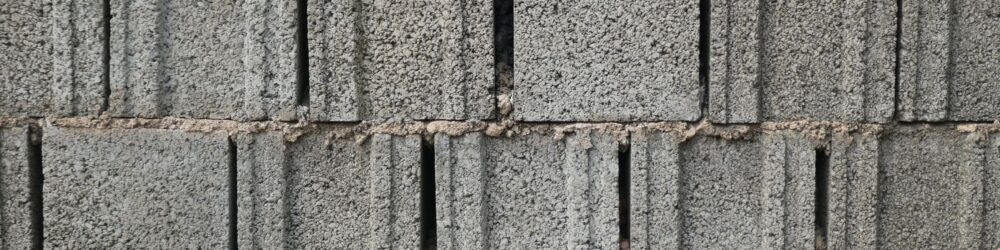
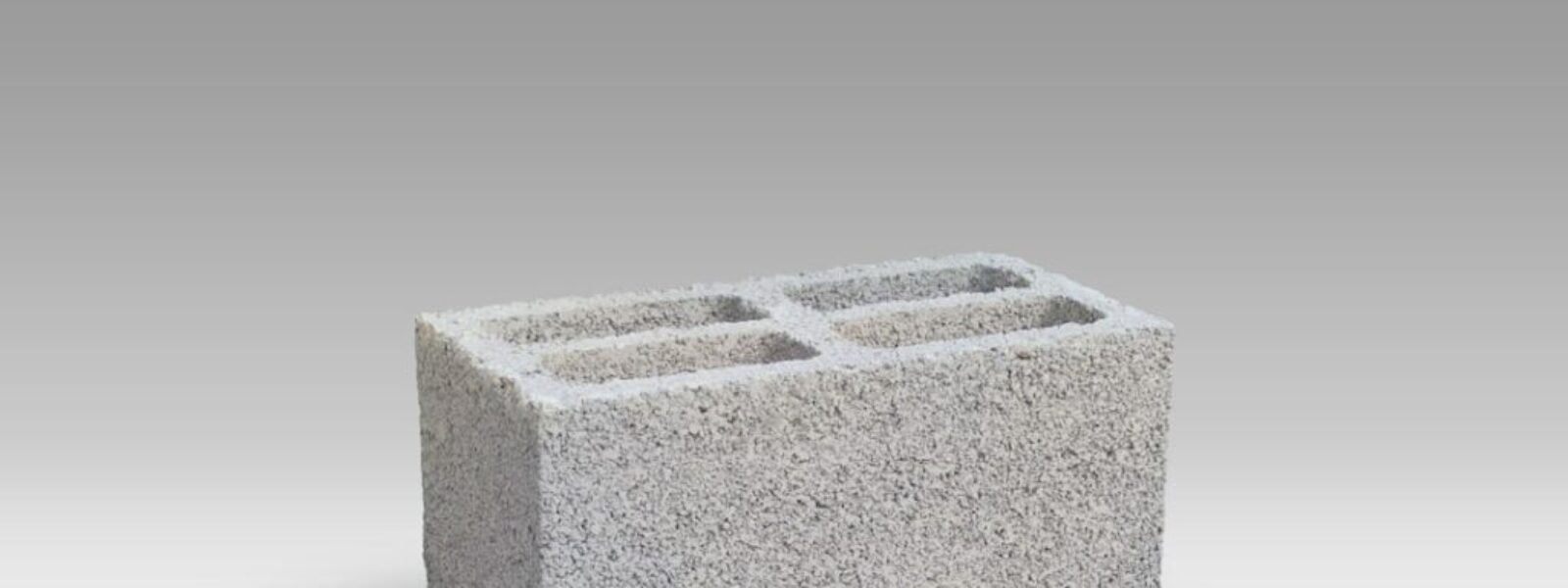
Block manufacturers are reformulating their concrete mixes, adding more pumice aggregate and reducing dense aggregates to meet the thermal performance criteria. Winstone Wallboards has indicated their lightweight blocks will likely become the standard specification rather than the premium option.
The practical impact is that many existing block specifications won’t comply after July. If you’re pricing work for completion after the changeover date, verify that your supplier’s blocks meet the new fire rating. Don’t assume standard blocks will cut it anymore.
4. Mortar joint requirements become more prescriptive
The new standard mandates full bedding of all mortar joints for structural blockwork, eliminating the previous allowance for face-shell bedding in certain applications. Additionally, mortar strength must now match or exceed 75% of the block’s compressive strength.
This means if you’re using 9.4 MPa blocks, your mortar needs to achieve at least 7.1 MPa. Most standard mortars currently used in residential work achieve 5-6 MPa, so you’ll need to specify higher-grade cement or modify your mix ratios.
The change also affects productivity. Full bedding takes approximately 15% longer than face-shell bedding, and you’ll use roughly 20% more mortar per square metre. Factor this into your job pricing and programme scheduling.
5. Quality control and testing requirements expand
Random sampling and compressive testing now applies to all structural blockwork projects over 50m² of wall area. Previously, testing was only required for commercial projects over 200m². The testing frequency is set at one sample per 100 blocks delivered to site.
Each test costs approximately $180-220 through commercial testing labs like Opus or WSP. For a typical residential project using 800 blocks, expect 8 tests costing around $1600. This isn’t optional – Building Consent Authorities will require test certificates before issuing Code Compliance Certificates.
The bigger issue is timing. Test results take 28 days, so you need to plan testing early in your material delivery schedule. Don’t wait until you’re ready to build – get samples tested as soon as blocks arrive on site.
6. Existing stock creates compliance headaches
Blocks manufactured before July 1st, 2026 can be used until December 31st, 2026, but only if they’re clearly identified and segregated from new-standard blocks. This creates a nightmare for suppliers managing mixed inventory.
Most block yards are planning to clear old stock through heavy discounting in May and June 2026. If you can bring forward material purchases, expect savings of 15-20% on current-standard blocks. However, you’ll need engineer certification that the reduced-spec blocks are adequate for your specific application.
The transition period also means some projects will span both standards. If your blockwork starts in June but continues past July, you’ll need separate documentation and potentially different reinforcement details for different sections of the same wall.
7. Cost impacts vary dramatically by region and application
In Auckland, the combination of higher strength blocks, closer reinforcement spacing, and enhanced testing is adding approximately $35-50 per m² to structural blockwork costs. Wellington sees similar increases due to seismic requirements, while regions like Canterbury and Bay of Plenty are seeing smaller impacts of $20-30 per m².
Retaining walls cop the biggest hit because they’re structural applications that often exceed the 2.4m height threshold. A typical 30m x 2.5m high retaining wall that previously cost $18,000-22,000 will now run $22,000-28,000 including compliance costs.
The smart play for developers is to lock in blockwork pricing now with suppliers willing to honour current standards through December. For homeowners, consider whether your project can realistically start and finish before the July changeover, or budget for the higher costs from day one.
These standard changes reflect growing recognition that New Zealand’s seismic and fire risks require more robust construction approaches. While the immediate cost impact is significant, the long-term benefit of stronger, safer blockwork construction will ultimately prove worthwhile. The challenge for the industry is managing the transition without major project delays or cost blowouts during the July-December transition period.