Bricklaying Apprenticeships in New Zealand: The Reality Behind the Trade School Promise
- First-year bricklaying apprentices in New Zealand earn approximately $18-22 per hour while qualified bricklayers command $28-38 per hour.
- Most apprenticeships take 3-4 years to complete with one day per week at polytechnic costing $3,000-5,000 annually.
- Direct employment without formal apprenticeship often leads to faster skill development and higher initial wages for motivated learners.
Apprenticeship reality check
Should you pursue a formal bricklaying apprenticeship
We’ll cut straight to it: formal bricklaying apprenticeships work well for some people, but they’re not the golden ticket the polytechs want you to believe. The structured learning appeals to people who need clear pathways and formal qualifications, but the reality is more complex than the brochures suggest.
The honest case for apprenticeships: You get systematic skills development, recognised qualifications that matter for some employers, and protection from exploitative bosses who might otherwise underpay beginners. The theory component at polytechnic covers Building Code requirements, concrete mix ratios, and structural principles that self-taught brickies sometimes miss. You’ll understand why wall ties are spaced at 600mm centres and how to calculate mortar quantities properly.
The case against: You’ll earn less money for longer. Apprentice wages start around $18-22 per hour while direct employees often negotiate $24-26 per hour from day one if they show aptitude. The classroom component frequently covers outdated techniques and theoretical scenarios that don’t match real job sites. Many successful bricklayers we know learned faster working directly for good contractors who taught them properly.
Our honest take: Choose apprenticeships if you value formal recognition, struggle with self-directed learning, or want the safety net of regulated training. Skip them if you’re confident, can find a quality employer willing to train you, and prefer earning proper money while learning. The construction industry judges you on actual skill, not certificates.
Getting started with apprenticeships
The practical path involves three main steps, though the process varies significantly between regions. In Auckland and Wellington, competition for positions is fierce due to high construction activity. Smaller centres like Tauranga or Christchurch often offer better opportunities for beginners.
First, you’ll need to secure an employer willing to take on an apprentice. This is harder than polytechs suggest. Many contractors prefer hiring experienced workers rather than dealing with training requirements. Approach smaller to medium-sized companies rather than large commercial outfits – they’re more likely to invest in individual development. Expect to spend 2-4 weeks actively job hunting.
Next comes the paperwork through the Building and Construction Industry Training Organisation (BCITO). They’ll set up your training agreement, arrange polytechnic enrollment, and monitor progress. The bureaucracy is significant – monthly reports, competency assessments, and regular employer meetings. This administrative overhead sometimes frustrates both apprentices and employers.
The biggest gotcha: Many apprentices underestimate the physical demands combined with study requirements. You’ll work 40+ hour weeks doing manual labour, then spend evenings on assignments covering building science, health and safety regulations, and trade calculations. The dropout rate in the first year sits around 30-40% across New Zealand.
Note: Some regions offer pre-apprenticeship courses that provide basic skills before employer placement. These 12-16 week programmes cost $4,000-6,000 but can improve your employment prospects significantly.
The main apprenticeship pathway options
Traditional employer-based apprenticeships remain the most common route. You work for a single contractor while attending polytechnic one day per week. The employer pays your wages (minimum $18.90 per hour for first year) and covers polytechnic fees. This suits people who want stability and clear employer commitment. Downside: you’re limited to that company’s methods and project types. If they specialise in residential work, you won’t learn commercial techniques until later.

Group training schemes operate in some regions where multiple employers share apprentices. This exposes you to different building styles and techniques while maintaining formal training structure. Fees are similar but employment is less secure – you might work for different contractors throughout your apprenticeship. Best for people who want variety and can handle uncertainty.
Block release programmes concentrate polytechnic study into 2-4 week intensive periods rather than weekly attendance. This suits rural apprentices who live far from training centres and employers who prefer uninterrupted work periods. The catch: intensive study periods can be overwhelming, and you lose regular reinforcement of classroom concepts.
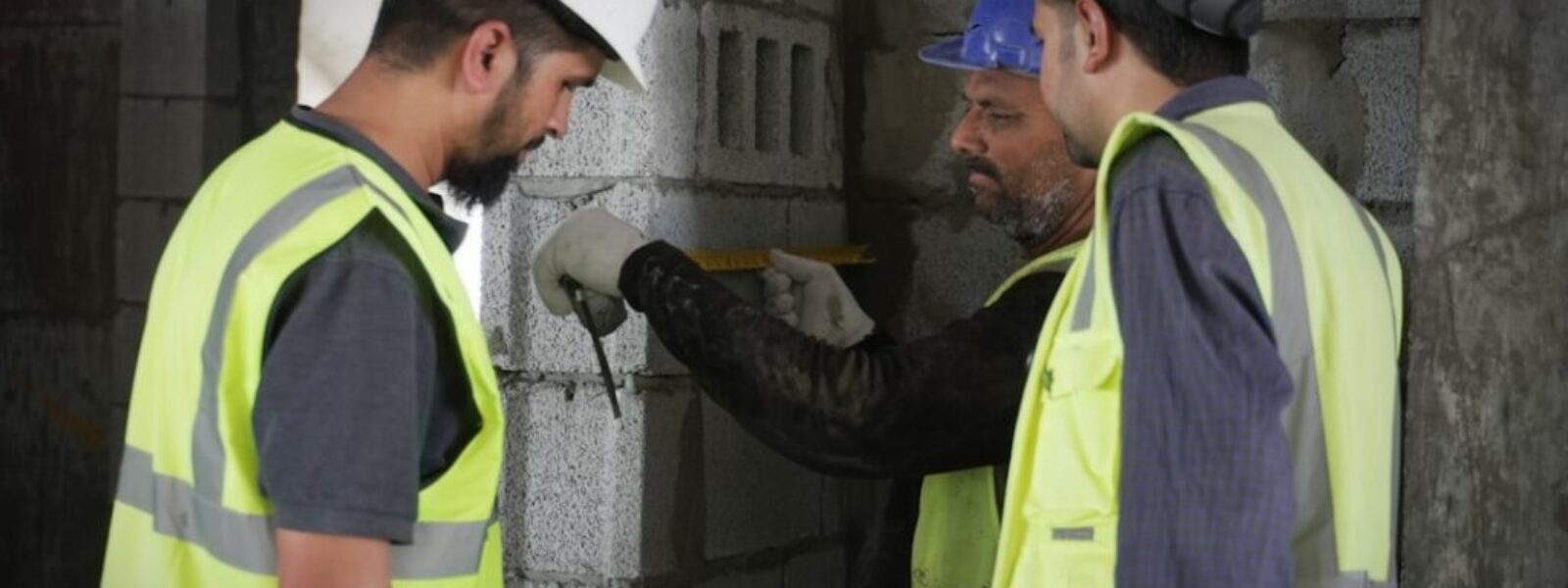
Apprentices working on residential foundations in Hamilton. The reality is more physically demanding than most people expect.
Cadetship programmes through large construction companies offer higher wages ($22-25 per hour) and faster progression but require strong academic performance and aptitude testing. Companies like Fletcher Construction and Hawkins run these programmes for high-potential candidates. Competition is intense – hundreds apply for 10-20 positions annually. Skip this if you’re not academically strong or prefer smaller company culture.
Modern apprenticeships allow mature workers to gain qualifications while working full-time. This suits career changers who can’t afford apprentice wages. You’ll attend polytechnic in evenings or weekends while working normal employment. The challenge: balancing full-time work, study, and family commitments often leads to burnout.
Industry training organisations offer competency-based apprenticeships where you progress based on demonstrated skills rather than time served. This can shorten your apprenticeship from four years to 2.5-3 years if you’re quick to learn. However, some employers resist this model because they lose their cheap labour earlier than expected.
Commercial blockwork project in Auckland showing the scale of work qualified bricklayers handle. Apprentices typically spend 18+ months on residential projects before moving to commercial work.
University partnerships now exist where apprenticeships can lead to construction management degrees. Unitec and other institutions offer pathways from trade qualifications to bachelor’s degrees. This appeals to ambitious people who want management careers, but adds 2-3 years of study beyond the initial apprenticeship. Worth considering if you see yourself running projects rather than laying bricks long-term.
When to time your apprenticeship start
The construction cycle significantly affects apprenticeship availability and quality. Starting during construction booms means more job opportunities but potentially rushed training as employers prioritise production over education. Starting during downturns offers better mentoring but fewer employment options.
Our recommendation: Begin apprenticeships in February or March. This aligns with the polytechnic academic year and construction industry’s busy period after the Christmas break. Employers have settled their annual work programmes and can commit to proper training schedules. Avoid starting in November or December when everyone’s focused on completing year-end projects.
Age timing matters more than people admit. Starting apprenticeships straight from school (17-18 years old) means four years of low wages during prime earning years. Starting at 25-30 often works better – you have life experience, stronger work ethic, and family financial planning that accounts for the temporary income reduction.
Skip apprenticeships if
You’re primarily motivated by quick money. Apprentice wages are deliberately low, and the system assumes you’re gaining valuable training in exchange. If you need immediate income to support family or pay significant debts, direct employment pays better from day one.
You have reliable connections in the construction industry. Nepotism is alive and well in building trades. If your uncle runs a successful bricklaying business and will teach you properly while paying decent wages, formal apprenticeships offer little additional value beyond paperwork.
You’re not committed to the trade long-term. Apprenticeships require 3-4 year commitments from both employer and trainee. If you’re exploring construction as a temporary option or stepping stone to other careers, you’re wasting everyone’s time and taking opportunities from genuinely committed people.
You struggle with academic work or formal assessment. Despite being a practical trade, modern apprenticeships involve significant classroom study, written assignments, and formal examinations. If you learn better through hands-on experience and struggle with theoretical concepts, direct employment might suit you better.
You want to specialise in heritage or restoration work. Most apprenticeship programmes focus on modern construction methods using contemporary materials. Lime mortar techniques, heritage brick matching, and traditional building methods are rarely covered comprehensively.
The practical stuff nobody mentions
Apprenticeship wages often don’t increase smoothly. Many employers pay minimum apprentice rates for the entire first year regardless of rapid skill development. Negotiate annual reviews and performance-based increases upfront – don’t assume they’ll happen automatically.
Polytechnic quality varies dramatically between institutions. MIT (Manukau Institute of Technology) and Whitireia have strong reputations for practical training. Some smaller polytechs have outdated equipment and instructors who haven’t worked on actual job sites for years. Visit facilities before committing.
According to Statistics New Zealand, completion rates for construction apprenticeships vary significantly by region, with Canterbury showing higher success rates than Auckland despite similar starting numbers.
The “one day per week” study commitment is misleading. Expect 8-12 hours of homework weekly, plus assignment preparation and exam study. Factor this into your work-life balance calculations, especially if you have young children or other commitments.
Many apprentices discover they prefer other construction trades after starting bricklaying. Switching apprenticeships means starting over with lost time and confused employers. Consider trying different trades through short courses or casual employment before committing to formal apprenticeships.
Seasonal work patterns affect apprentice employment security. Residential construction slows during winter months, and apprentices are often the first to face reduced hours. Build financial buffers for quieter periods.
Tool requirements add up quickly. Expect to spend $2,000-3,000 on quality hand tools during your apprenticeship. Some employers provide basic tools, but most expect you to build your own kit. Factor this into your financial planning.
Safety training is heavily emphasised but site reality sometimes differs. You’ll learn proper scaffolding procedures in polytechnic but find some employers cut corners on job sites. Be prepared to advocate for safe working conditions even as an apprentice.
The honest version: apprenticeships work best for people who value structure and formal recognition over maximum earning potential. The construction industry respects skill and experience more than certificates, but having both doesn’t hurt your long-term prospects. Just understand what you’re signing up for financially and practically.
If you’re serious about construction as a career, consider apprenticeships as one valid pathway among several options. The industry needs skilled bricklayers regardless of how they learned their trade. Focus on finding good mentors and quality projects rather than getting caught up in qualification debates.