Masonry Stone Wall Cost Per SQM Auckland: Complete Bricklaying Breakdown 2026
- Auckland masonry stone walls typically cost $180-450 per sqm including materials and labour, with natural stone commanding premium rates over manufactured alternatives.
- Hidden costs including foundation work, reinforcement steel, and consent fees can add 25-40% to quoted base prices for structural masonry walls.
- Stone type selection impacts long-term costs significantly, with imported limestone requiring 30% more maintenance than local schist over 20-year periods.
Auckland Masonry Cost Breakdown
What Drives Auckland Masonry Stone Wall Pricing
Auckland masonry stone wall costs per square metre reflect a complex interplay of material sourcing, skilled labour availability, and regulatory compliance requirements. The city’s unique geographical position creates specific cost pressures through limited local stone quarries and reliance on imported materials, particularly for premium natural stone options.
Material costs typically represent 40-60% of total project expenses, with labour comprising the remainder. This ratio shifts dramatically based on stone type selection and wall complexity. Simple retaining walls using manufactured concrete blocks might achieve the lower end of pricing brackets, while heritage-matched natural stone facades command premium rates due to specialist cutting and fitting requirements.
- → Natural stone materials range from $85-280 per sqm depending on type and origin
- → Labour rates for qualified stonemasons average $65-85 per hour in Auckland
- → Transportation costs add 8-15% to material prices due to Auckland’s isolation
- → Building consent requirements affect all structural masonry work over 1.5m height
Breaking Down Material Cost Components
Stone selection represents the most significant variable in project budgeting. Local Auckland schist, sourced from nearby quarries, provides the most cost-effective natural stone option at $85-120 per sqm. This volcanic rock offers excellent durability in Auckland’s humid climate while maintaining competitive pricing due to reduced transport costs.
Imported natural stones create substantial cost premiums. Australian sandstone ranges $160-220 per sqm, while European limestone commands $200-280 per sqm. These premium materials require careful consideration against long-term performance in Auckland’s specific climate conditions, particularly regarding thermal expansion and moisture absorption characteristics.
- → Auckland schist provides optimal cost-performance ratio for local conditions
- → Manufactured concrete stone alternatives cost $45-85 per sqm
- → Specialty cutting for curved or angled installations adds 15-25% to material costs
- → Mortar and pointing materials contribute additional $8-12 per sqm
Labour Cost Structures and Regional Variations
Skilled stonemason availability significantly impacts labour pricing across Auckland’s diverse suburbs. Central Auckland projects typically command premium rates due to access restrictions and parking limitations, while outer suburban work benefits from reduced logistical costs. The city’s construction boom has created skilled labour shortages, pushing hourly rates upward consistently.
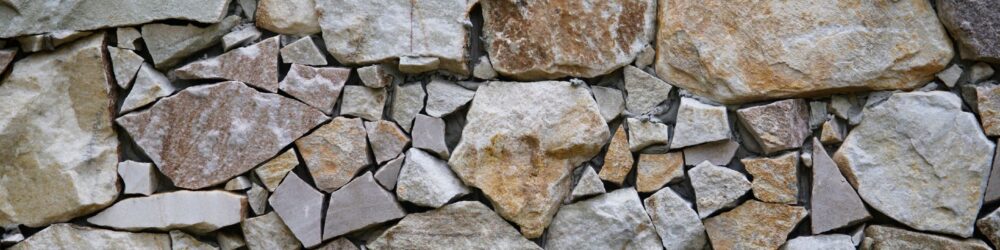
Project complexity directly correlates with labour time requirements. Simple gravity retaining walls might require 2-3 hours per sqm for experienced crews, while decorative facades with intricate pointing can demand 5-7 hours per sqm. These time variations create substantial cost differences even for similar square meterage projects.
- → Central Auckland projects incur 10-20% labour premium for access difficulties
- → Structural reinforced masonry requires additional skilled labour for rebar placement
- → Weekend and after-hours work commands 50% labour rate premium
- → Apprentice supervision ratios affect overall crew productivity and costs
Hidden Costs That Impact Final Pricing
Foundation requirements often represent the largest hidden cost component in masonry projects. Auckland’s variable soil conditions, particularly expansive clay areas in West Auckland, necessitate engineered foundations that can double excavation costs. Proper foundation design becomes critical for structural integrity and long-term performance.
Building consent processes add both direct fees and indirect costs through design documentation requirements. Structural masonry walls exceeding 1.5m height require engineering certification, adding $1,200-2,500 to project costs. Weather protection during construction phases creates additional expenses, particularly important during Auckland’s extended wet seasons.
- → Foundation costs range $45-95 per linear metre depending on soil conditions
- → Building consent fees typically add $800-1,800 per project
- → Temporary weather protection costs $15-25 per sqm for extended projects
- → Site access improvements can add 10-15% to total project costs
Seismic and Structural Compliance Factors
Auckland’s moderate seismic zone classification (Zone 2) requires specific design considerations for masonry construction that impact costs significantly. Unreinforced masonry limitations under NZS 4230 restrict wall heights and require additional engineering for taller structures. These requirements often necessitate reinforced masonry solutions that increase material and labour costs substantially.
Structural steel reinforcement adds complexity to construction processes while improving seismic performance. Vertical reinforcement spacing requirements, typically 600mm centres maximum, create additional material costs of $25-40 per sqm. Proper grouting procedures for reinforced cells require specialist techniques and equipment, increasing labour requirements.
- → Seismic design requirements limit unreinforced masonry to 3m maximum height
- → Reinforced masonry increases material costs by 35-50% over unreinforced alternatives
- → Engineering certification adds $150-250 per sqm for complex structural walls
- → Connection details to existing structures require specialist design consideration
Long-term Cost Considerations and Maintenance
Stone durability characteristics significantly impact lifetime project costs beyond initial construction expenses. Auckland’s marine climate, with salt-laden air and frequent rainfall, affects different stone types variably. Local schist demonstrates excellent weather resistance, requiring minimal maintenance over 20-year periods, while some imported sandstones may require repointing every 8-12 years.
Maintenance access considerations during design phases can prevent costly future interventions. Walls designed with maintenance platforms or adequate clearances reduce long-term service costs substantially. Proper drainage design becomes critical for preventing water damage and associated repair costs, particularly important in Auckland’s high-rainfall environment.
- → Local stone typically requires 30% less maintenance than imported alternatives
- → Proper drainage design prevents 80% of moisture-related maintenance issues
- → Repointing costs average $25-45 per sqm when required
- → Preventive maintenance programs reduce long-term costs by 40-60%
Optimizing Value in Auckland Masonry Projects
Strategic project timing can achieve significant cost savings in Auckland’s construction market. Winter construction periods often see reduced demand and more competitive pricing, though weather protection costs may offset some savings. Combining multiple masonry elements in single projects typically achieves better unit rates through economies of scale.
Material selection strategies should balance initial costs against long-term performance requirements. While manufactured alternatives offer lower upfront costs, natural stone provides superior durability and potential property value increases. Local material preferences also reduce transport-related environmental impacts while supporting regional suppliers.
- → Winter construction can reduce costs by 8-15% despite weather protection needs
- → Bulk material purchasing for large projects achieves 10-20% cost savings
- → Local stone selection reduces project carbon footprint by 25-40%
- → Detailed specifications prevent cost variations during construction phases
Key Takeaways
- → Auckland masonry stone walls cost $180-450 per sqm with material type being the primary cost driver and local schist providing optimal value
- → Hidden costs including foundations, consents, and reinforcement typically add 25-40% to base quotes, requiring comprehensive budgeting approaches
- → Seismic compliance requirements in Zone 2 Auckland necessitate reinforced masonry for taller walls, increasing costs but ensuring structural integrity
- → Long-term maintenance costs vary significantly by stone type, with local materials requiring 30% less maintenance than imported alternatives over 20-year periods
- → Strategic timing and bulk purchasing can achieve 8-20% cost savings while proper specification prevents expensive variations during construction
- → Professional engineering and building consent processes are essential for structural walls, adding $800-2,500 but ensuring code compliance and safety