Property Maintenance Plans: Why Quarterly Inspections Beat Reactive Repairs
- Preventive property maintenance costs 70% less than emergency repairs according to recent BRANZ research.
- Quarterly building inspections catch 85% of structural issues before they become major problems.
- Insurance claims drop by 40% for properties following structured maintenance schedules.
Property Maintenance Cost Benefits
Setting Up Your Quarterly Inspection Schedule
You need four inspection points that align with New Zealand’s seasonal patterns. March checks prepare for autumn storms, June inspections catch winter damage early, September reviews assess spring moisture issues, and December evaluations prepare for summer heat stress. Each quarter targets different building elements based on when they’re most vulnerable.
Your March inspection focuses on roofing, gutters, and exterior weatherproofing before the autumn rains hit. Check for loose tiles, blocked downpipes, and perimeter drainage. June inspections target heating systems, insulation gaps, and moisture control as indoor humidity rises. September reviews concentrate on ventilation systems, foundation moisture, and pest entry points after winter settlement. December checks emphasise cooling systems, exterior paintwork, and UV damage assessment.
Document everything with photos and measurements. Create a simple spreadsheet tracking each building element, inspection date, condition rating, and required actions. This becomes your legal record for insurance purposes and helps identify deterioration patterns over time.
Critical Building Elements to Monitor
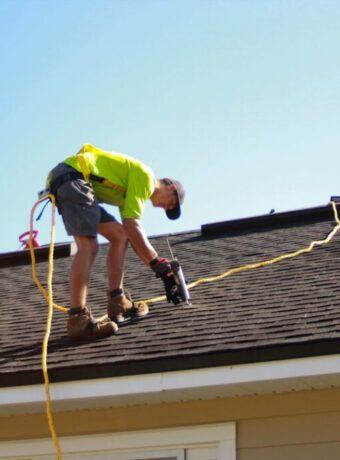
Your roof system demands the highest attention frequency. Check flashings around chimneys, valleys, and penetrations every quarter. Look for rust spots on corrugated iron, cracked tiles, or lifted membrane edges. Gutters need clearing of debris and inspection for joint failures or inadequate falls. A blocked gutter costs $200 to clear but can cause $15,000 in ceiling and wall damage.
Foundation and subfloor areas require moisture monitoring, especially in Wellington and Auckland’s humid climates. Check for standing water, inadequate ventilation, or timber moisture content above 18%. Use a moisture meter on bearers and joists near bathroom and kitchen areas. Subfloor ventilation should provide one square metre of vent area per 150 square metres of floor space under NZS 3604.
Exterior weatherproofing systems fail gradually then suddenly. Inspect cladding joints, window seals, and door frames for gaps or movement. Test sealant integrity by pressing with your thumb – it should spring back without cracking. Weatherboard buildings need annual gap sealing, while brick veneer requires mortar joint inspection for cracking or erosion.
Seasonal Maintenance Tasks by Priority
High-priority quarterly tasks prevent expensive failures. Clean gutters and downpipes, test smoke alarms, inspect HRV or DVS ventilation systems, and check hot water cylinder relief valves. These take two hours per quarter but prevent most emergency callouts.

Medium-priority tasks run on six-monthly cycles. Service heat pumps, check fence post stability, inspect deck and balcony fixings, and test garage door mechanisms. Annual tasks include exterior house washing, gutter painting, garden irrigation system checks, and full electrical safety switch testing.
Seismic zones require additional attention. Wellington and Canterbury properties need annual foundation settlement monitoring, checking for new cracks in concrete slabs or uneven door frames. Tall chimneys and unreinforced masonry walls demand professional inspection every two years following significant earthquakes.
Cost Planning and Professional Services
Budget 1-2% of your property value annually for maintenance. A $800,000 house needs $8,000-$16,000 per year for proper upkeep. Preventive maintenance frontloads this cost but delivers better long-term value than reactive repairs.
You can handle basic inspections yourself using checklists, but engage professionals for technical assessments. Building inspectors charge $400-600 for comprehensive reports. Roofers provide safety expertise for steep or complex roof systems. Electricians must check RCD performance and switchboard condition annually under electrical safety regulations.
Some maintenance requires immediate professional attention. Roof leaks, electrical faults, gas appliance issues, or structural movement need qualified tradesperson assessment within 24 hours. Don’t attempt DIY repairs on weatherproofing systems or structural elements – poor workmanship voids insurance coverage and creates bigger problems.
Questions to Ask Your Service Providers
When engaging maintenance contractors, ask for specific compliance confirmations. Does their work meet current Building Code requirements? Do they provide written warranties with completion certificates? Are they registered under the relevant licensing schemes?
Request detailed quotes breaking down materials, labour, and compliance costs. Ask about seasonal pricing – some trades offer better rates during slower periods. Verify their insurance coverage and ask for recent customer references from similar property types in your area.
For major maintenance projects, ask about staged work options. Roof replacements or exterior painting can often be completed in sections, spreading costs across multiple budget periods while maintaining weather protection.
Why This Matters
New Zealand’s Building Act requires property owners to maintain buildings in good condition throughout their life. Insurance companies increasingly scrutinise maintenance records when assessing claims, particularly for gradual deterioration issues. Poor maintenance can void coverage for water damage, structural failure, or weatherproofing problems.
Climate change is increasing maintenance demands through more intense storms, higher UV exposure, and greater temperature fluctuations. Properties following structured maintenance plans maintain higher market values and avoid the emergency repair costs that devastate household budgets. The choice isn’t whether to spend money on property maintenance – it’s whether to spend it wisely on prevention or wastefully on crisis repairs.