Property Maintenance Costs Hit Record Highs: 7 Things NZ Homeowners Need to Know
- Property maintenance costs have increased 15% across New Zealand in the past 12 months, with Auckland leading at 18% growth.
- Roofing repairs now cost $280-420 per square metre, up from $240-350 in 2025, due to material shortages and skilled labour demand.
- Preventive maintenance can reduce long-term property costs by 25-30% compared to reactive repairs, according to latest industry data.
Property Maintenance Cost Increases 2026
1. Labour Shortages Drive Up Tradesperson Rates
Skilled tradespeople are commanding premium rates across New Zealand, with qualified builders now charging $85-110 per hour compared to $70-90 in early 2025. The shortage is particularly acute in Auckland and Wellington, where residential construction demand continues to outstrip available labour.
Electricians and plumbers have seen similar increases, with electrical work now costing $95-120 per hour and plumbing services ranging from $90-115 per hour. This trend mirrors what happened during the post-earthquake Canterbury rebuild, where tradesperson rates increased 40% over three years.
The reality is that these rates aren’t coming down anytime soon. Immigration settings remain tight, and apprenticeship completions won’t meaningfully impact supply until 2028-2029.
2. Building Materials Hit Historic Price Levels
Concrete prices have jumped 12% since January 2026, with ready-mix now costing $180-220 per cubic metre depending on your region. Structural timber has increased 8%, and roofing iron is up 14% due to global steel price volatility.
Bricks remain relatively stable at $0.85-1.20 per unit, but mortar costs have risen 10% as cement prices climb. For context, a typical brick veneer repair that cost $4,500 in 2025 now runs $5,200-5,400.
Smart homeowners are bulk-purchasing materials for planned projects and securing fixed-price quotes valid for 60-90 days. The volatility we’re seeing suggests prices will remain elevated through 2027.
3. Roofing Maintenance Becomes Critical Priority
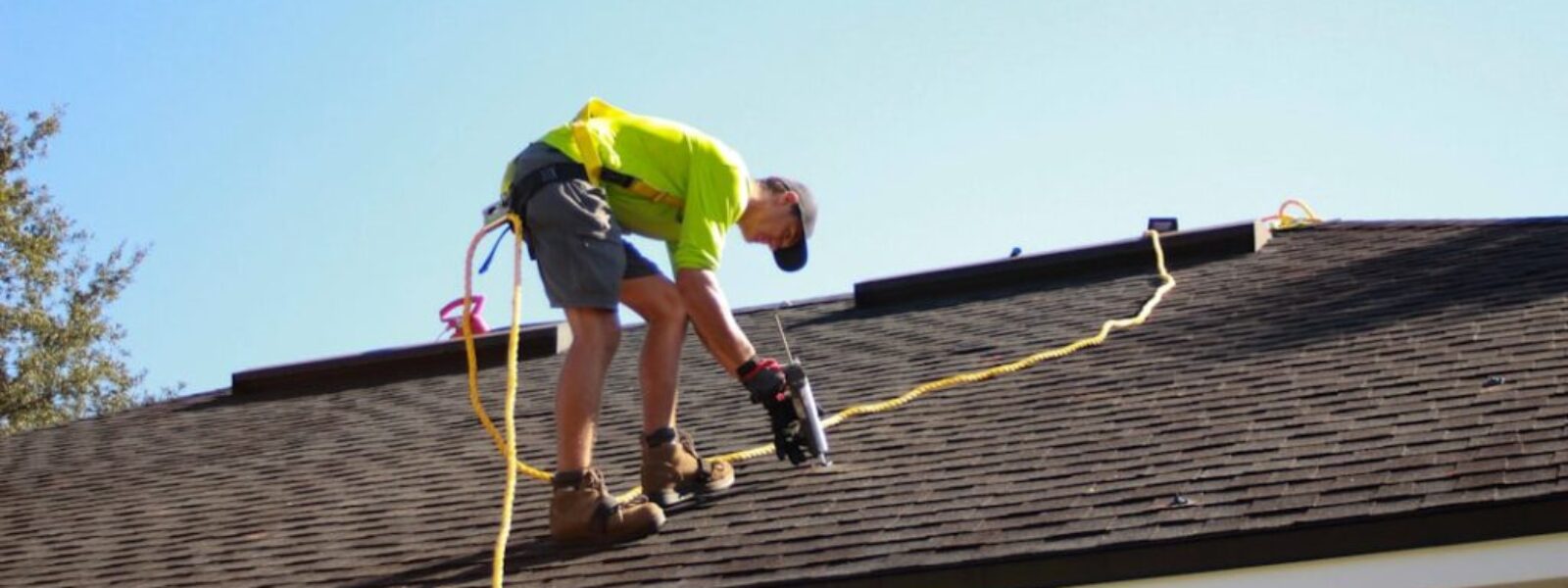
With roofing repairs now the most expensive maintenance item for most properties, preventive care has never been more important. A full roof replacement on a typical 150 square metre home now costs $42,000-63,000, up from $36,000-52,500 last year.

The key is addressing issues early. A $800 gutter repair saves you from $3,500 fascia board replacement. A $1,200 flashing repair prevents $8,000-12,000 in water damage remediation.
Given New Zealand’s weather patterns, particularly in high-wind zones like Wellington and coastal areas, annual roof inspections are now essential rather than optional. The cost of neglect has become prohibitive.
4. Weathertightness Issues Demand Immediate Attention
With building materials and remediation work at premium prices, weathertightness problems can quickly spiral into five-figure repairs. A small window leak that might have cost $2,500 to fix properly in 2024 now runs $3,200-3,800.
The Building Code requirements under Clause E2 haven’t changed, but the financial stakes have. Water damage in wall cavities now requires full cavity treatment at $450-650 per square metre of affected wall area.
Property owners in high-rainfall regions like the West Coast and Taranaki need to be particularly vigilant. What starts as a minor moisture issue can become a $25,000-40,000 reclad job faster than ever before.
5. Concrete and Masonry Work Sees Biggest Cost Jumps
Concrete work has experienced some of the steepest price increases, with driveways now costing $110-140 per square metre compared to $95-120 in 2025. Retaining wall construction has jumped to $380-520 per square metre for standard blockwork.
The increase stems from both material costs and the specialised nature of concrete work. Fewer contractors are taking on small residential jobs, preferring larger commercial projects with better margins.
For homeowners planning concrete work, getting multiple quotes and booking early in the season is crucial. Many contractors are now booking 3-4 months out for standard residential work.
6. Heating System Maintenance Becomes Cost-Critical
With heat pump installations now costing $3,500-6,500 for a standard residential unit, maintaining existing systems properly has become essential. Annual servicing, which costs $180-250, can extend system life by 3-5 years.
Wood burner maintenance is equally important, with new installations running $4,800-8,500 including flue work. A $300 annual service and flue clean prevents expensive repairs and ensures Building Code compliance under Clause G4.
The payoff is significant. A well-maintained heat pump lasting 15 years versus 10 years saves you $2,300-4,300 in replacement costs at today’s prices.
7. Insurance Considerations Change the Game
Insurance companies are tightening maintenance requirements, with some now requiring annual building inspections for properties over 20 years old. Failure to maintain can void claims, making preventive maintenance a legal necessity rather than just good practice.
Documentation is crucial. Keep receipts for all maintenance work, photograph conditions before and after repairs, and maintain a property logbook. This evidence protects you if claims arise and demonstrates due diligence to insurers.
The trend toward stricter insurance requirements reflects the reality that deferred maintenance has become exponentially more expensive to remedy.
The property maintenance landscape has fundamentally shifted, and homeowners who adapt their approach will fare much better than those who stick to old patterns. Budget 3-4% of your property value annually for maintenance, prioritise preventive work over reactive repairs, and build relationships with reliable tradespeople now rather than scrambling when problems arise. The next 24 months will separate prepared property owners from those caught off-guard by the new cost reality.