
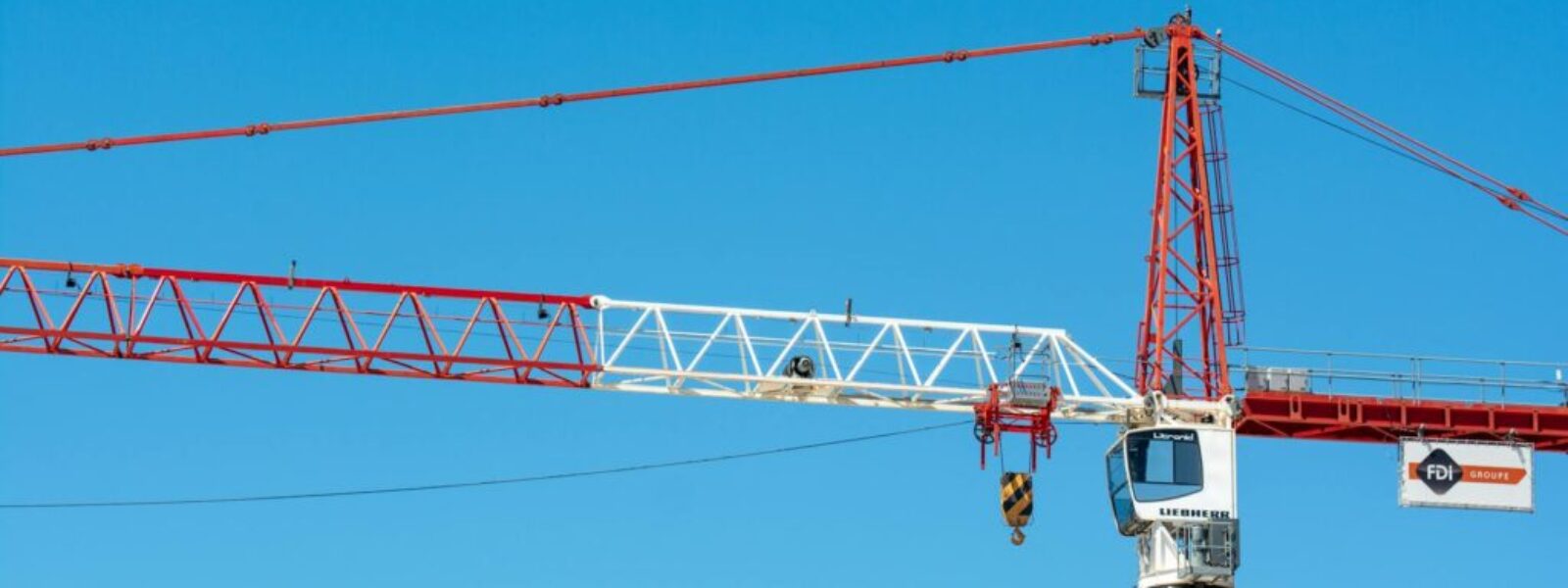
Tauranga Construction Boom Tests Building Consent Processing Times
Tauranga’s building consent processing times have blown out to 45 days as the city’s construction boom overwhelms council resources. The backlog threatens to stall housing developments across the Western Bay of Plenty’s fastest-growing region.
Processing Delays Hit Major Projects
Tauranga City Council is struggling to keep pace with building consent applications, which have jumped 38% over the past 12 months. The statutory 20-day processing timeframe outlined in the Building Act 2004 is being routinely exceeded, with complex residential developments and commercial projects facing the longest delays.
Tauranga Consent Processing Facts
The backlog particularly affects multi-unit housing developments in high-growth areas like Papamoa East and The Lakes, where developers are reporting consent delays of up to eight weeks. Standard residential building consents for single dwellings are averaging 32 days, well above the target.
Staffing Shortages Drive Bottlenecks
Council building officials cite a shortage of qualified building consent officers as the primary cause. The Bay of Plenty region competes with Auckland and Wellington for experienced building professionals, driving up salary expectations and creating recruitment challenges.
According to Building Performance, the national average for building consent processing has increased to 28 days, making Tauranga’s delays particularly concerning for a growth centre.
Three additional consent officers have been recruited since February 2026, but training new staff to competency levels takes 6-12 months. The council estimates it needs at least five more qualified officers to meet current demand.
Impact on Construction Costs
Extended consent processing is adding $15,000-$25,000 to typical residential builds through holding costs, site security, and contractor scheduling delays. Developers report that uncertainty around consent timing makes project financing more difficult, with banks increasingly factoring processing delays into loan assessments.

The delays hit hardest in Tauranga’s designated Special Housing Areas, where streamlined consent processes were supposed to accelerate development. Instead, the sheer volume of applications has created new bottlenecks.
Digital Processing Solutions
The council has invested $2.1 million in new digital consent processing systems, including electronic plan review and automated compliance checking for standard residential builds. Early trials suggest processing times for simple dwellings could drop to 15 days once the system is fully operational in late 2026.
However, complex multi-story buildings and non-standard construction methods will still require manual review. Commercial projects involving seismic design considerations for Tauranga’s moderate earthquake zone continue to face the longest delays.
Regional Construction Outlook
Despite processing delays, construction activity shows no signs of slowing. The government’s Fast-Track Consenting Bill may provide relief for larger developments, but residential building consent volumes in Tauranga are forecast to remain 25% above historical averages through 2027.
Industry observers warn that without significant investment in consent processing capacity, Tauranga risks becoming a cautionary example of how infrastructure fails to keep pace with growth. Similar processing delays in Auckland during the 2010s contributed to housing supply shortages that took years to resolve.