7 Things You Need to Know About New Retaining Wall Drainage Standards in NZ
- The new NZS 4431:2026 standard requires 150mm minimum drainage aggregate behind all retaining walls over 600mm high.
- Consent applications lodged after March 2026 face average delays of 6-8 weeks when drainage details don’t meet the updated requirements.
- Wellington and Auckland councils have already rejected over 200 retaining wall consents for inadequate drainage specifications since the standards took effect.
Key Retaining Wall Changes 2026
1. The 150mm drainage zone is now mandatory for walls over 600mm
The revised NZS 4431:2026 standard has made 150mm of free-draining aggregate behind retaining walls over 600mm high a non-negotiable requirement. This replaces the previous guidance that allowed engineers discretion on drainage thickness based on soil conditions. The change stems from multiple retaining wall failures across Canterbury and Wellington between 2022-2025, where inadequate drainage led to hydrostatic pressure buildup.
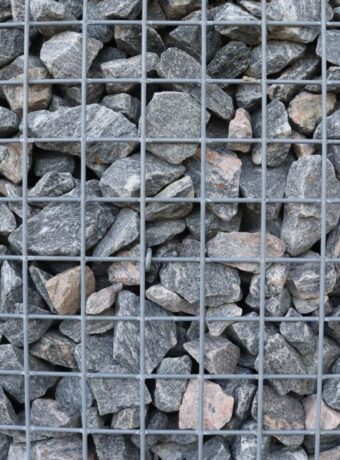
The aggregate must be 20mm nominal size with less than 5% fines, wrapped in geotextile fabric to prevent soil contamination. This specification alone adds approximately $45-65 per linear metre to typical residential retaining wall costs, but it’s cheaper than dealing with a failed wall that requires complete reconstruction.
For existing walls built under the old standard, there’s no requirement to retrofit, but any additions or modifications triggering consent will need to meet the new drainage requirements. This is catching out property developers who planned staged developments based on older specifications.
2. Subsoil drainage connection details have become critical
The updated standard requires positive connection between the retaining wall drainage system and either a stormwater system or suitable discharge point. Previously, many builders relied on soakage behind the wall, which proved inadequate in Wellington’s clay soils and Canterbury’s silty ground conditions.
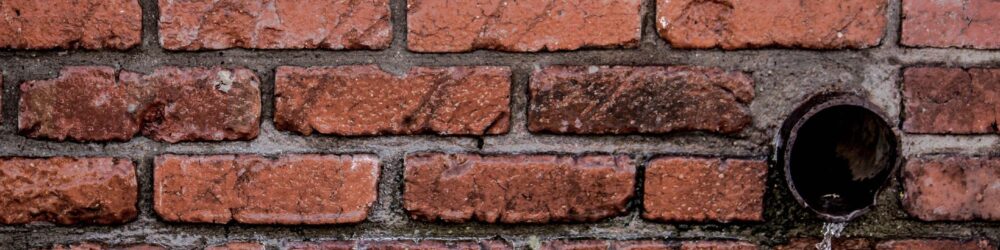
Agricultural drainage pipe (100mm minimum diameter) must now connect the wall’s toe drain to an approved discharge point, with a minimum 1:100 fall. Council consent officers are specifically checking these connection details, and incomplete drainage plans are the top reason for application delays right now.
The connection requirement has particular implications for hillside developments where multiple retaining walls create cascading drainage systems. Each wall’s drainage must be independently connected – you can’t rely on upper wall drainage to handle lower wall loads.
3. Geotechnical reports are required for more situations
Under the new standard, any retaining wall over 1.2m high in areas with “challenging ground conditions” requires a geotechnical assessment. This includes most of Wellington’s hill suburbs, parts of Auckland’s North Shore, and areas of Christchurch with liquefaction potential. The assessment must specifically address groundwater conditions and seasonal water table variations.
These reports typically cost $2,800-4,500 but can prevent expensive failures. I’ve seen three major residential retaining wall collapses in Wellington this year alone, all involving walls that would have required geotechnical input under the new rules but were built under the previous standard’s exemptions.
The challenging ground conditions definition includes slopes over 20 degrees, areas within 50m of known springs or seepage, and soils with plasticity index over 25. Most builders underestimate how much of New Zealand’s residential land falls into these categories.
4. Consent processing times have blown out significantly
Wellington City Council reports consent processing times for retaining walls have increased from 15-20 working days to 35-45 working days since March 2026. Auckland Council is experiencing similar delays, with some applications taking up to 8 weeks for initial assessment. The bottleneck is specialist structural engineers reviewing the new drainage requirements.
The delays are costing builders and developers serious money. On a typical $180,000 residential retaining wall project, an extra month’s delay adds approximately $8,000 in holding costs, site security, and weather protection. Some developers are bringing forward retaining wall work in their construction programmes to accommodate these extended timeframes.
Canterbury councils are processing applications faster because they’ve hired additional engineers specifically to handle the standards transition, but even Christchurch City Council warns of 4-6 week timeframes compared to their usual 2-3 weeks.
5. Existing drainage solutions don’t automatically comply
Many builders assumed their standard drainage details would meet the new requirements, but the revised standard has specific performance criteria that rule out several common approaches. Simple rubble drains without geotextile wrapping no longer comply, and the minimum 150mm aggregate zone eliminates some space-saving solutions used on tight sites.
Drainage blankets using recycled concrete are now specifically prohibited unless the material meets grading requirements for 20mm aggregate. This has caught out several projects in Auckland where recycled concrete was a cost-effective drainage solution under the previous standard.
The new standard also requires proof of aggregate supply source and grading certificates, adding paperwork that some suppliers aren’t used to providing. It’s worth checking your aggregate supplier can provide the necessary documentation before ordering materials.
6. Cost impacts are hitting different wall types unevenly
Concrete block retaining walls see the smallest cost increase from the new drainage requirements – typically $50-70 per linear metre for materials and additional excavation. Timber retaining walls face bigger impacts because the 150mm drainage zone reduces the effective retained height, sometimes requiring taller posts or additional rows of boards.
Engineered concrete walls over 2m high face the biggest cost increases, with additional drainage infrastructure adding $120-180 per linear metre. However, these walls also benefit most from improved drainage, as hydrostatic pressure failures in large concrete walls create the highest repair costs.
Stone retaining walls present unique challenges because the drainage zone often conflicts with traditional dry stone construction methods. Several heritage projects in Central Otago have required design modifications to accommodate both heritage requirements and modern drainage standards.
7. The standards will likely tighten further in 2027
Industry sources suggest the 2026 drainage requirements are just the first phase of more comprehensive retaining wall reforms. Standards New Zealand is reportedly considering mandatory drainage monitoring systems for walls over 3m high, and there’s discussion about requiring drainage maintenance access for all new retaining walls.
The changes reflect a broader shift toward more conservative engineering approaches following several high-profile infrastructure failures. While the current focus is drainage, expect future revisions to address seismic detailing and foundation requirements more stringently.
My advice is to over-engineer drainage systems now rather than face retrofit requirements later. The cost difference between meeting current standards and anticipated future requirements is relatively small, but retrofitting existing walls is expensive and disruptive. The industry is clearly moving toward more robust retaining wall construction, and getting ahead of that curve will save money and hassle in the long run. For more information, see Codehub Building.