Property Maintenance Costs Rise 18% as Auckland Housing Stock Ages
- Property maintenance costs increased 18% nationally in 2025-2026, with Auckland leading at 22% due to aging 1980s-90s housing stock.
- Building Code amendments H1/AS1 and E2/AS1 now require higher insulation and weathertightness standards for major renovations.
- Professional building inspections reveal 65% of properties over 30 years old need immediate roof or cladding repairs.
Property Maintenance Cost Increases by Region
Aging Housing Stock Drives Maintenance Surge
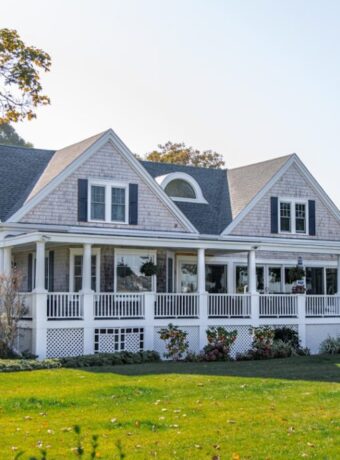
New Zealand’s 1980s and 1990s housing stock is hitting the 30-40 year maintenance cliff, with weatherboard cladding, concrete tile roofs, and original plumbing systems requiring wholesale replacement. Ministry of Business, Innovation and Employment data shows maintenance claims have spiked 18% nationally, driven primarily by structural issues in properties built during the rapid construction boom of that era.
Building Code Changes Increase Compliance Costs
Recent amendments to New Zealand Building Code clauses H1/AS1 (Energy Efficiency) and E2/AS1 (External Moisture) now mandate upgraded insulation and weatherproofing standards when undertaking major maintenance work exceeding $20,000. Property owners replacing roofs or re-cladding must now meet 2023 thermal performance requirements, adding $8,000-15,000 to typical projects.
Regional Variation in Maintenance Expenses
Auckland leads maintenance cost increases at 22%, followed by Wellington at 19% and Canterbury at 16%. Coastal properties face additional challenges with salt corrosion affecting roofing iron and concrete foundations, particularly in Northland and Taranaki regions where marine environments accelerate deterioration.

Professional Inspection Reveals Hidden Issues
Building inspection firms report 65% of properties over 30 years require immediate attention to roof membranes, flashings, or cladding systems. The weathertightness crisis legacy continues to surface, with particular concerns around EIFS (External Insulation Finishing Systems) and monolithic cladding installed between 1994-2004.
Preventive Maintenance Reduces Long-term Costs
Industry analysis shows properties with documented annual maintenance schedules spend 40% less on major repairs over 10-year periods. Key preventive measures include annual roof inspections ($300-500), gutter cleaning, and exterior timber re-staining every 3-5 years.
Insurance Implications for Deferred Maintenance
Insurance companies are increasingly declining claims where deferred maintenance contributed to property damage. Insurers now require photographic evidence of regular upkeep for weatherboard properties over 25 years old, with particular scrutiny on paint systems and cladding junction sealing.
Professional vs DIY Maintenance Decisions
While basic maintenance tasks remain suitable for competent homeowners, Building Code compliance requires licensed building practitioners for structural work. Electrical and plumbing modifications must meet NZS 3000 and NZS 4219 standards respectively, with mandatory inspections and code compliance certificates.
Budget Planning for Major Maintenance Cycles
Financial advisors recommend setting aside 1-3% of property value annually for maintenance reserves. A $800,000 Auckland property should budget $8,000-24,000 yearly, with major roof replacement cycles every 20-25 years costing $25,000-45,000 depending on material choice and Building Code upgrade requirements. For more information, visit Rgc.