Permeable Paving Requirements: New Auckland Council Standards for Driveways
- Auckland Council now requires 30% permeability for new driveways over 40m² from July 2026.
- Permeable concrete costs $95-120 per m² compared to $80-95 for standard concrete in Auckland.
- Grass pavers and permeable asphalt meet requirements but need proper sub-base preparation to function correctly.
Permeable Paving Costs & Requirements
Understanding the New Permeability Standards
Auckland Council’s updated Stormwater Management Plan requires all new driveways exceeding 40m² to achieve 30% permeability. This means for every 100m² of driveway, at least 30m² must allow water to infiltrate rather than run off into stormwater systems. The rule applies to resource consent applications lodged after July 1, 2026, affecting most residential developments and driveway replacements.
You need to demonstrate compliance through engineering calculations or pre-approved product specifications. The council accepts permeability testing to NZS 4402.2.3.7 as proof, with minimum infiltration rates of 10mm per hour for the installed system. This isn’t just about the surface material — your entire construction, including sub-base, must maintain permeability.
Choosing Your Permeable Paving Option
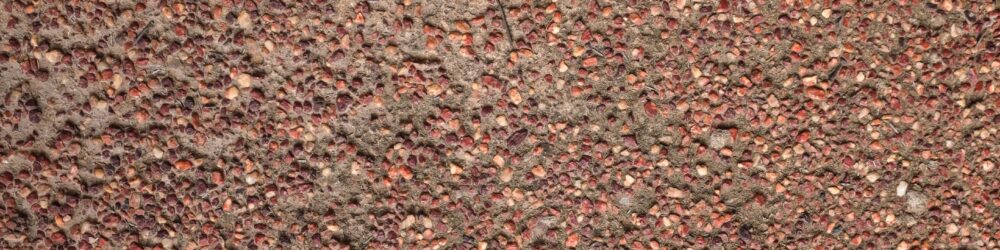
Permeable concrete offers the most straightforward compliance path. Mixed with 10-20% void content, it achieves 120-200mm/hour infiltration rates when properly installed over clean aggregate sub-base. Expect to pay $95-120 per m² including materials and installation, compared to $80-95 for standard concrete. The surface feels rougher underfoot but handles normal vehicle loading without issues.
Grass pavers provide a softer visual impact while meeting permeability requirements. These plastic or concrete grid systems cost $45-65 per m² for materials, plus $25-35 for installation and grass establishment. They work well for lighter traffic areas but require ongoing maintenance to keep grass healthy. Choose high-strength varieties like kikuyu or tall fescue that handle vehicle weight.
Permeable asphalt costs $85-110 per m² and offers traditional appearance with hidden permeability. The open-graded mix allows water penetration while maintaining smooth driving surfaces. However, it requires specialist contractors familiar with the modified laying techniques — standard road crews often struggle with the different compaction requirements.
Installing Permeable Systems Correctly
Your sub-base determines system performance more than surface choice. Excavate to 450mm depth minimum, removing all clay and fine material. Install 300mm of clean 20-40mm aggregate — no fines or crusher dust that block water flow. Compact in 150mm lifts using plate compactor only, never vibratory rollers that crush aggregate and reduce voids.
Install 150mm sand bedding layer using coarse river sand, not fine concrete sand. This supports the paving while maintaining permeability. For permeable concrete, pour directly onto prepared bedding. For pavers, ensure consistent 3-5mm joint widths filled with coarse sand, not polymeric jointing compounds that seal against water penetration.
Include edge restraints to prevent lateral movement. Concrete kerbing works best, set 50mm below finished surface level to avoid creating water dams. If using timber edges, choose H4-treated pine minimum 200mm wide to handle ground moisture without rotting.
Managing Installation Challenges
Clay soils present the biggest installation challenge. Natural clay infiltration rates often fall below the required 10mm/hour, making surface permeability irrelevant. You might need drainage systems connecting to council networks, adding $3000-5000 to project costs. Get geotechnical testing before committing to permeable options on clay sites.
Slope management requires careful planning. Gradients over 5% need check dams or retention systems to prevent water rushing through before infiltrating. Install timber or concrete strips across the slope every 5-8 meters, creating small ponding areas that allow infiltration time.
Winter installation timing matters more than traditional paving. Permeable concrete sets slower in cold conditions and needs protection from rain during curing. Plan installation for dry periods with temperatures above 10°C for best results. Grass pavers need establishment time before vehicle use — typically 6-8 weeks in growing season.
Questions to Ask Your Contractor
Ask for specific experience with permeable installations, not just general paving work. Request examples of completed projects and infiltration test results. Verify they understand sub-base requirements — many standard contractors try using crusher dust or sand bedding inappropriate for permeable systems.
Confirm warranty coverage for permeability performance, not just structural integrity. Some contractors offer surface guarantees but won’t cover blocked systems from poor installation. Ask about maintenance requirements and long-term performance expectations for your chosen system.
Why These Standards Matter
Auckland’s stormwater network reaches capacity during increasingly frequent heavy rainfall events. Traditional impermeable driveways contribute significantly to urban flooding by directing all rainfall into overloaded systems. The 30% permeability requirement reduces peak stormwater flows while recharging groundwater supplies.
Getting compliance wrong means costly remedial work or consent complications. The council takes enforcement seriously, with site inspections checking actual infiltration rates against approved plans. Invest in proper installation now rather than facing expensive rework later when non-compliance surfaces during property transactions or insurance claims.