
Paving Costs Rise 18% as Auckland Transport Demands Stronger Driveway Standards
Driveway paving costs have jumped 18% across Auckland as new transport standards force homeowners to upgrade their vehicle crossings to handle increased traffic loads. Property owners now face $8,000-$12,000 for compliant concrete driveways compared to $6,500-$9,500 last year.
What’s Driving the Cost Increase
Auckland Transport’s updated vehicle crossing standards now require 150mm reinforced concrete slabs for all new residential driveways, up from the previous 100mm minimum. The change follows a review of pavement failures across the city, where lightweight construction couldn’t handle modern vehicle weights and delivery trucks.
Key Cost Impacts
The new spec calls for N12 mesh reinforcement at 150mm centres, compared to basic wire mesh previously accepted. Concrete strength has also increased to 25MPa minimum, with 30MPa recommended for properties expecting regular heavy vehicle access.
Regional Variations in Requirements
While Auckland leads the charge, other councils are watching closely. Christchurch City Council is reviewing similar changes, particularly for earthquake-prone areas where flexible pavements perform better during seismic events. Wellington’s hillside properties face additional challenges with gradient requirements now capped at 1:4 for the first 6 metres from the kerb.
Hamilton and Tauranga councils have indicated they’ll adopt similar standards by late 2026, meaning the cost increases will spread nationwide. According to Building.govt.nz, the changes align with updated Building Code requirements for surface water management around vehicle crossings.
Material and Labour Impact
Reinforcing steel prices have climbed 23% since the standards were announced, with N12 mesh now costing $4.50/m² compared to $3.20/m² for basic reinforcement. Ready-mix concrete suppliers report 30MPa mixes add $15-20/m³ to standard residential pours.
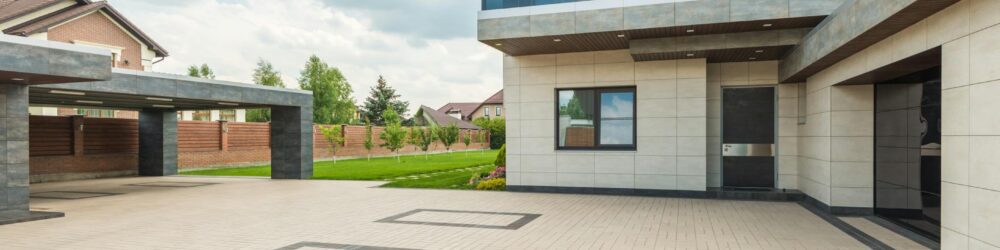
Labour costs reflect the additional complexity too. Where a basic driveway pour took one day, the new reinforcement requirements stretch most jobs to 1.5-2 days. Experienced concreters are charging $75-85/m² for the upgraded work, up from $55-65/m² previously.
Planning Around the Changes
Property developers should budget the higher figures for any projects starting after July 2026, when the transition period ends. For existing driveways, councils aren’t requiring retrospective upgrades unless major alterations trigger consent requirements.
Smart money is on getting consents lodged before the deadline if you’re planning driveway work. The old standards remain valid for applications submitted by June 30, 2026, even if construction starts later.
Homeowners in clay-heavy areas should also factor in additional drainage requirements. The new standards mandate 100mm aggregate base courses in reactive soils, adding another $25-30/m² to the total cost.