Outdoor Kitchen Concrete Slabs: New Seismic Requirements for NZ Properties
- Outdoor kitchen concrete slabs now require D12 reinforcing bars at 300mm centres in seismic zones 3 and 4 under updated Building Code provisions.
- Minimum slab thickness increased to 125mm for outdoor cooking areas with built-in appliances weighing over 150kg.
- Perimeter drainage systems must comply with E1/AS1 standards to prevent structural movement from water accumulation.
Key specification requirements
Reinforcement Requirements for Outdoor Kitchen Slabs
The Building Code amendments effective from April 2026 mandate specific reinforcement for outdoor kitchen concrete slabs based on seismic zone classification. Properties in Auckland, Wellington, Christchurch, and other high-risk areas (zones 3-4) must install D12 deformed bars at maximum 300mm spacing both ways. The reinforcement must sit 75mm from the slab base on plastic chairs or concrete blocks.
For lower seismic zones (1-2), including much of the South Island’s interior, D10 bars at 400mm centres remain acceptable for standard outdoor kitchens. However, any installation supporting pizza ovens, large barbecue units, or stone benchtops exceeding 150kg requires the higher specification regardless of location.
Note: Reinforcement must extend 150mm beyond the slab edge and tie into any adjacent structural elements like retaining walls or house foundations.
Slab Thickness and Concrete Specifications
Minimum concrete thickness for outdoor kitchen slabs increases from 100mm to 125mm where permanent cooking appliances are installed. This applies to built-in gas barbecues, pizza ovens, smokers, and outdoor refrigeration units. The concrete mix must achieve minimum 25 MPa compressive strength at 28 days, using 20mm aggregate and minimum 300kg cement per cubic metre.
Standard outdoor dining areas without fixed appliances can still use 100mm slabs with 20 MPa concrete. For example: a simple paved entertainment area with portable furniture requires only the lighter specification, but adding a built-in barbecue island triggers the enhanced requirements.
You can reduce thermal cracking by specifying low-heat cement or adding 20% fly ash replacement. This proves particularly important for large slabs over 25 square metres where temperature differentials create stress.
Drainage and Site Preparation Standards
The updated E1/AS1 drainage standards require outdoor kitchen slabs to incorporate proper water management systems. Surface water must drain away from the slab at minimum 1:100 gradient, achieved through either falls in the concrete or perimeter channel drains connecting to stormwater systems.
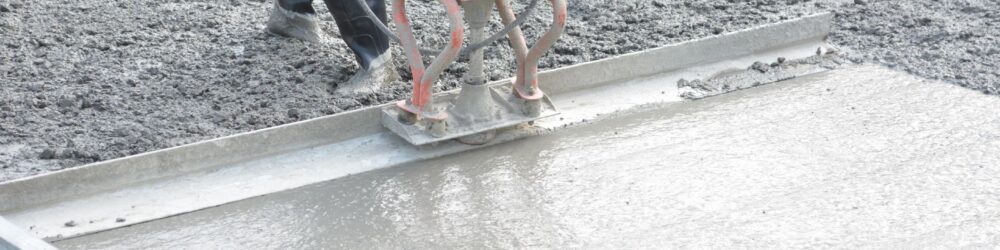
Subgrade preparation involves 150mm compacted AP20 or AP40 aggregate base, tested to 95% maximum dry density. Sites with clay soils need additional measures including 200mm minimum base thickness and perimeter drainage to prevent seasonal movement affecting the slab.
- French drains with 100mm diameter perforated pipes wrapped in geotextile
- Rubber membrane barriers extending 300mm below slab level
- Aggregate drainage blankets connecting to existing stormwater infrastructure
Note: Council consent is typically required for outdoor kitchens with gas connections, regardless of slab specifications.
Integration with Existing Structures
Connecting new outdoor kitchen slabs to existing house foundations or decking requires careful detailing to accommodate differential settlement. Expansion joints using 10mm compressible filler prevent cracking where dissimilar materials meet. The joint must extend full slab depth and include appropriate sealant for weather protection.
For slabs adjacent to swimming pools or spa pools, additional waterproofing requirements apply. The concrete needs protective coating to 150mm above finished pool water level, typically using polymer-modified cement render or approved membrane systems.
Existing retaining walls supporting outdoor kitchen areas may need structural assessment to ensure adequacy for increased loading. Walls over 1.5m height generally require engineer certification before adding significant weight from concrete slabs and appliances.
Cost Implications and Material Sourcing
The enhanced specifications add approximately $180-220 per cubic metre to concrete costs, primarily from increased reinforcement and cement content. For typical 30 square metre outdoor kitchen slabs, expect additional costs of $650-800 compared to previous standards.
Steel reinforcement availability has improved following supply chain disruptions in 2024-2025, with major suppliers like Fletcher Steel and Steel & Tube maintaining better stock levels. However, D12 bars still command premium pricing in regional areas, adding 15-20% to reinforcement costs outside main centres.
Ready-mix concrete suppliers in Auckland, Wellington, and Christchurch now stock appropriate outdoor kitchen mix designs. Rural areas may need advance ordering for 25 MPa concrete with specified aggregate sizes.
Common Installation Problems
Inadequate curing remains the primary cause of outdoor kitchen slab failures, particularly during summer months when rapid moisture loss weakens the concrete matrix. You must maintain surface moisture for minimum seven days using plastic sheeting, curing compounds, or continuous water application.
Reinforcement placement errors frequently occur when contractors unfamiliar with updated specifications use previous standards. The D12 bars at 300mm spacing create tighter grids requiring careful concrete placement to avoid honeycomb areas around the steel.
Poor drainage integration causes ongoing problems including slab settlement, cracking, and water pooling that damages appliances. The perimeter drainage must connect properly to existing stormwater systems with adequate fall maintained throughout.
Regional Considerations
West Coast properties face additional challenges from high rainfall requiring enhanced drainage capacity. Standard 100mm drainage pipes prove inadequate during heavy weather events, necessitating 150mm systems with increased outlet capacity.
Canterbury region builders report ongoing issues with liquefaction-prone soils requiring deeper foundations and enhanced drainage even for outdoor kitchen projects. Ground improvement using stone columns or soil mixing may be necessary on severely affected sites.
Northern regions including Northland and Bay of Plenty must consider cyclone loading on outdoor kitchen structures. While slabs themselves resist wind forces, attached pergolas, roofing, and appliances need appropriate tie-down systems meeting NZS 3604 requirements.
How to Comply with New Requirements
- Confirm your property’s seismic zone classification through council GIS mapping or engineering assessment before finalizing slab design
- Engage a structural engineer for outdoor kitchens over 50 square metres or where complex integration with existing structures is required
- Submit building consent applications including detailed reinforcement schedules, drainage plans, and concrete specifications meeting current standards
- Source appropriate materials early in the project timeline, particularly D12 reinforcement and 25 MPa concrete mix designs
- Schedule inspections for reinforcement placement, concrete pour, and final drainage connections to ensure compliance verification