
New Zealand’s Clay Brick Shortage Hits Major Building Projects as Suppliers Struggle with Rising Costs
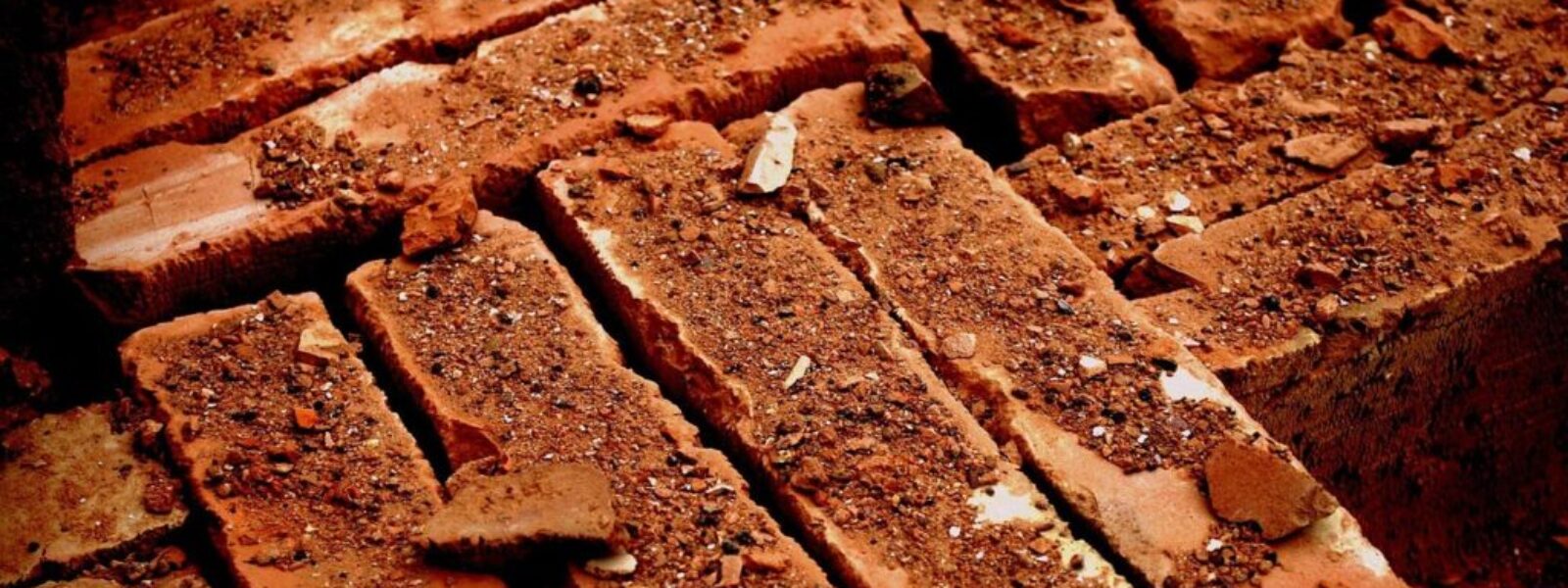
New Zealand’s clay brick industry faces its worst supply crisis in decades, with major manufacturers cutting production by up to 40% due to skyrocketing energy costs. The shortage is forcing builders nationwide to delay projects or switch to concrete masonry units, fundamentally reshaping bricklaying practices across the country.
Production Cuts Hit Auckland and Canterbury Hardest
The crisis stems from natural gas price increases that have made clay brick firing prohibitively expensive. Claypac, one of New Zealand’s largest brick manufacturers, announced production cuts at their Huntly facility in March 2026, citing energy costs that now represent 60% of manufacturing expenses — up from 35% just two years ago.
Supply Crisis Impact
Canterbury builders are reporting wait times of 12-16 weeks for standard clay bricks, compared to the usual 4-6 weeks. Auckland’s situation is even worse, with some suppliers completely sold out of popular face brick lines until late 2026.
The shortage particularly affects high-end residential projects where architects specify clay bricks for their thermal mass and aesthetic appeal. Many builders are now having difficult conversations with clients about switching to concrete blocks or imported options that cost 30-40% more.
Concrete Masonry Units Becoming the Default Choice
Smart builders are pivoting to concrete masonry units (CMUs) manufactured locally by companies like Firth and Golden Bay Cement. While CMUs lack the traditional charm of clay bricks, they offer several advantages in New Zealand’s seismic environment.
According to BRANZ, concrete blocks provide superior structural performance in earthquakes when properly reinforced, making them an increasingly attractive option for builders working in high seismic zones.
The shift isn’t without challenges. Many bricklayers trained primarily on clay work are having to adapt their techniques for concrete block laying, particularly around mortar mix ratios and joint finishing. CMUs typically require a 1:1:6 cement:lime:sand mortar mix compared to the 1:2:9 mix commonly used with clay bricks.
Installation rates differ too — experienced blocklayers can lay 150-200 concrete blocks per day versus 80-120 clay bricks, potentially offsetting some of the aesthetic compromise with faster project completion.
Import Options Carry Hidden Costs
Some builders are turning to imported clay bricks from Australia and Malaysia, but this strategy comes with significant drawbacks. Shipping costs have doubled since 2024, and there’s growing concern about quality consistency with offshore products.
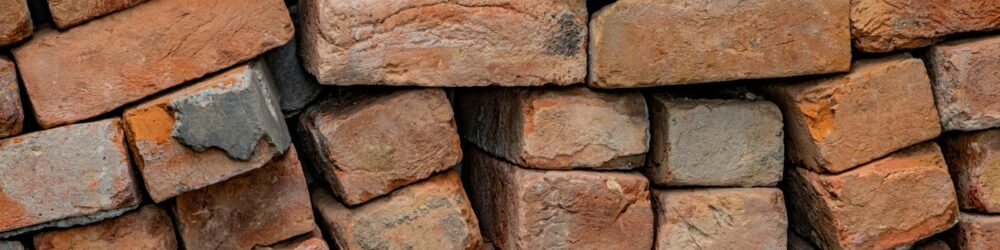
More problematically, imported bricks often don’t match New Zealand’s established colour palettes. The distinctive reds and browns of New Zealand clay create a specific aesthetic that foreign products struggle to replicate, leading to obvious patches in renovation work.
The Building Code compliance picture is also murky with imports. While most Australian bricks meet NZS 4210 requirements, proving compliance can add weeks to consent processing times — exactly what builders trying to avoid delays don’t need.
Regional Variations Tell Different Stories
The shortage isn’t uniform across New Zealand. Wellington and South Island markets show more resilience, partly due to different supplier relationships and lower overall demand. Some Canterbury manufacturers are actually increasing market share by focusing on specialty products like recycled content bricks.
Smaller regional projects are finding creative solutions. In Hawke’s Bay, several builders report success with locally manufactured pressed earth bricks that offer similar thermal properties to fired clay at roughly 60% of the cost.
The Waikato region, historically dependent on the Huntly brick works, faces particular challenges. Local builders estimate that 70% of current residential projects have switched specifications from clay to concrete masonry.
Long-term Implications for the Industry
This shortage represents more than a temporary supply hiccup — it’s fundamentally reshaping New Zealand’s masonry landscape. Energy costs are unlikely to return to pre-2024 levels, suggesting that clay brick manufacturing may never fully recover its previous market position.
Forward-thinking builders are already adapting their standard specifications. Several major Auckland construction companies have quietly switched their default residential specs to concrete masonry with clay brick accents rather than full clay construction.
For bricklayers, this transition period offers both challenges and opportunities. Those who master concrete block techniques alongside traditional clay work will find themselves in high demand. The hourly rates for skilled blocklayers have increased 15-20% over the past six months as builders compete for workers comfortable with both materials.
The shortage also highlights New Zealand’s vulnerability to supply chain disruptions in building materials. Unlike timber, where multiple local suppliers provide competition, the brick industry’s consolidation into just a few major players left little resilience when energy costs spiked.