
Concrete Work Standards Tighten as New NZ Building Code Amendments Take Effect
New Building Code amendments effective April 2026 introduce stricter concrete work standards for seismic zones, requiring enhanced reinforcement detailing and mandatory testing protocols that will add $2,000-4,000 to typical residential foundation projects.
Reinforcement Requirements Increase Across All Seismic Zones
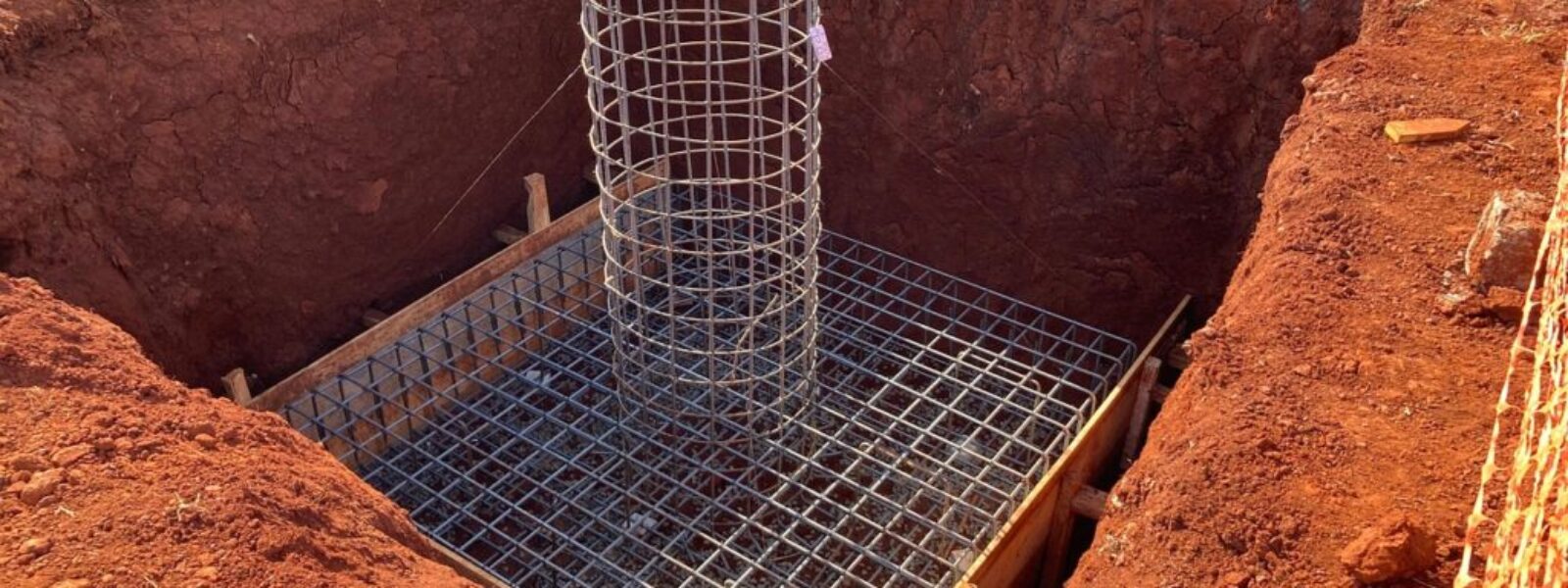
The amended NZS 3101 concrete structures standard now mandates minimum 12mm diameter reinforcing bars for all residential foundations in seismic zones 3-4, up from the previous 10mm minimum. This change affects virtually every concrete pour from Auckland south, where most residential construction occurs.
New Concrete Standards at a Glance
For a typical 150m² house foundation, builders can expect to use an additional 200-300kg of reinforcing steel, adding roughly $800-1,200 in materials alone. The increased bar diameter also requires wider concrete cover — now 40mm minimum instead of 35mm — which pushes foundation widths out by 10mm on each face.
Mandatory Testing Protocols Hit Project Timelines
Perhaps more significantly, concrete pours over 5m³ now require mandatory slump and strength testing on-site, with results verified before proceeding with subsequent structural elements. This replaces the previous system where testing was often deemed unnecessary for smaller residential jobs.
According to Building Performance, the new testing requirements aim to address the 15% failure rate identified in recent concrete strength audits across Canterbury rebuild projects.
Practically, this means every concrete truck arrival needs coordination with testing technicians, adding 2-3 hours to pour schedules. With testing costs running $300-500 per visit, plus potential delays if initial results fail, many builders are reassessing their concrete scheduling approaches.
Seismic Detailing Changes Impact Design
The revised seismic detailing requirements particularly affect step-down foundations common on sloping sections. Structural engineers must now specify additional horizontal ties at level changes, with ties spaced no more than 600mm centres rather than the previous 800mm maximum.
This change stems from observed foundation performance during the 2016 Kaikoura earthquake, where inadequately tied level changes showed higher rates of cracking and settlement. While the additional reinforcement adds roughly $400-600 per level change, it represents sound engineering practice that should have been standard years ago.
Industry Pushback on Compliance Costs
The Master Builders Association has raised concerns about the cumulative cost impact, particularly for entry-level housing projects where margins are already tight. Their modelling suggests the amendments add $3,500-5,000 to typical foundation costs when factoring materials, testing, and extended construction timeframes.
However, this criticism misses the bigger picture. The previous standards were demonstrably inadequate — Canterbury rebuild projects showed concrete failures at rates that would be unacceptable in any properly regulated construction market. The new requirements simply bring New Zealand into line with Australian and international best practice.
Practical Implementation for Builders
Smart builders are already adapting their processes. This means scheduling concrete pours earlier in the week to allow for potential re-testing, maintaining stronger relationships with testing laboratories, and building the additional costs into quotes from day one.
The reinforcement changes also require updating standard details and ensuring steel fixers understand the new spacing requirements. Many are finding it worthwhile to conduct toolbox talks specifically covering the amended standards rather than discovering non-compliance during inspections.
While the short-term cost increases are genuine, the long-term benefits of improved concrete durability and seismic performance justify the additional investment. Building owners will ultimately benefit from foundations that better withstand New Zealand’s challenging seismic environment.