
Christchurch Red Zone Earthquake Repairs Face New Building Code Requirements
Property owners rebuilding on former Christchurch red zone land now face stricter foundation and structural requirements under updated Building Code provisions. These changes are adding 15-20% to construction costs but delivering significantly improved seismic resilience.
Updated Foundation Standards Hit Red Zone Rebuilds
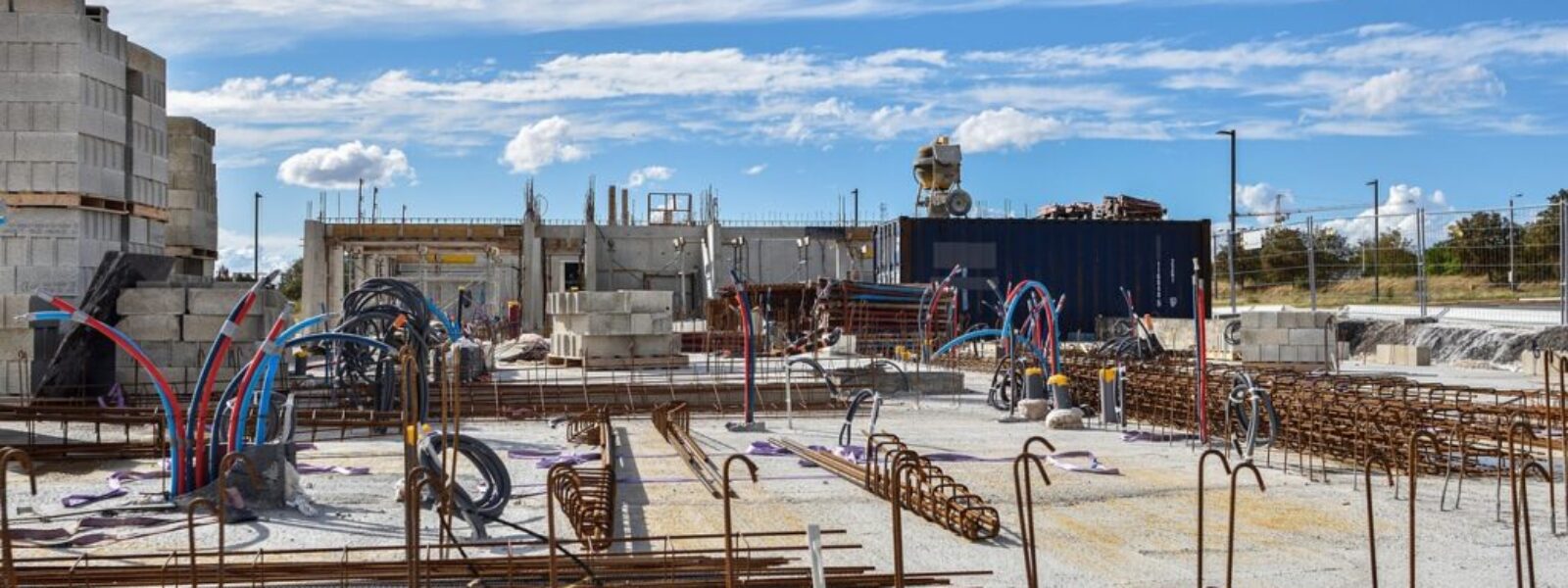
The Canterbury rebuild has entered a new phase as previously abandoned red zone sections are rezoned for residential development. However, builders working on these sites are discovering that foundation work now requires deeper piling and enhanced liquefaction mitigation measures compared to pre-2011 standards.
Red Zone Rebuild Costs
Under the current NZS 1170.5 seismic loading standard, foundations in these areas must be designed for soil class E conditions, reflecting the high liquefaction risk. This typically means concrete piles extending 8-12 metres depth rather than the 3-4 metre shallow foundations common before the earthquakes.
Concrete and Steel Requirements Drive Up Costs
The enhanced seismic requirements are significantly impacting material costs. A typical 150m² house foundation that would have cost around $25,000 in 2010 now requires $40,000-45,000 worth of concrete, steel reinforcement, and specialist piling work.
According to Building Performance, the structural design requirements now mandate higher concrete grades (minimum 30 MPa) and increased reinforcement density in foundation elements. This translates to roughly 40% more steel per linear metre of foundation wall.
Local concrete suppliers report consistent demand for 40 MPa concrete mixes, with some jobs requiring specialized additives to improve workability in the tight reinforcement configurations now specified by structural engineers.
Bricklaying Adapts to New Base Requirements
Bricklayers working on red zone rebuilds are adapting their techniques to accommodate the higher foundation walls and modified tie-down systems. The typical 200mm concrete block stem wall has been replaced by 250mm reinforced walls extending 600-800mm above ground level.

Cavity wall construction now requires mechanical ties rated for higher seismic loads, with spacing reduced to 450mm centres rather than the previous 600mm standard. This creates additional complexity during the laying process but provides crucial structural continuity during seismic events.
Long-term Resilience vs Immediate Costs
While the immediate cost impact is substantial, engineering assessments suggest the enhanced foundations will perform significantly better in future seismic events. Modelling indicates that structures built to current standards would experience 60-70% less foundation damage in a repeat of the February 2011 earthquake.
However, this comes with a reality check for developers. Some smaller builders are finding the enhanced requirements push projects beyond viable margins, particularly for entry-level housing where every dollar counts toward affordability targets.
The irony is that while we’re building much safer foundations, the cost barrier may actually reduce the total number of homes built in areas that desperately need housing stock replenishment. It’s a classic case of perfect engineering solutions meeting imperfect market realities.