Auckland Council’s New Stormwater Rules Hit Residential Building Projects Hard
Auckland Council’s new stormwater management requirements, effective April 2026, are adding $15,000-25,000 to typical residential builds through mandatory on-site detention systems. The rules hit hardest in flood-prone areas like Henderson, Flat Bush, and parts of the North Shore.
What’s Changed for Residential Builders
The updated Auckland Unitary Plan now requires all new residential builds over 200m² of impermeable surface to install on-site stormwater detention. This means most standard homes — not just the large ones — now need underground tanks, permeable paving, or rain gardens sized to handle a 1-in-10 year storm event.
Auckland Stormwater Cost Impact
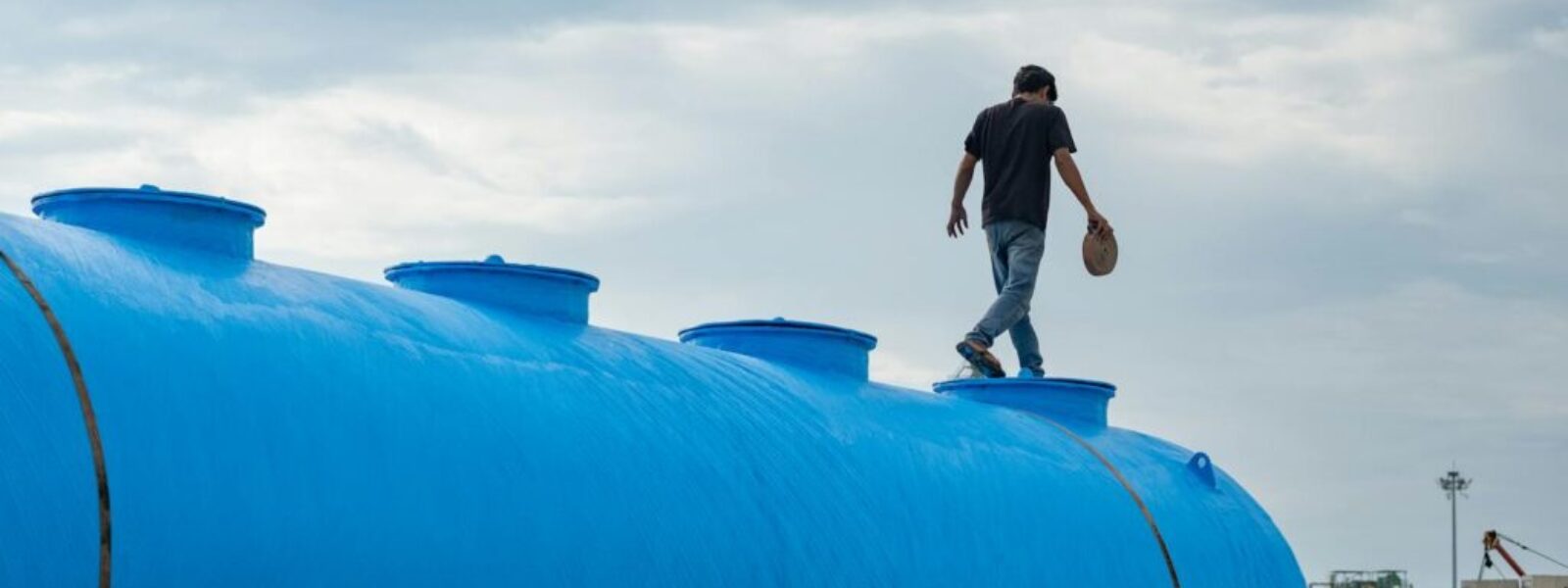
For a typical 160m² house with 80m² of concrete driveways and paths, you’re looking at 240m² total impermeable area. The detention system needs to hold roughly 12,000 litres — that’s either a 3m x 2m x 2m underground tank at around $8,000 installed, plus associated pipework and controls pushing the total to $15,000.
Regional Variations Hit Some Areas Harder
The cost impact varies significantly across Auckland’s geography. Properties in Henderson, Mangere, and Flat Bush — areas with poor natural drainage — face the steepest requirements. Here, you might need detention systems 50% larger than the base calculation, pushing costs toward $25,000.
Conversely, well-drained volcanic soils in areas like Remuera and parts of the North Shore can often use infiltration gardens instead of tanks, keeping costs closer to $10,000-12,000 for a compliant system.
According to Building.govt.nz, these systems must also comply with Building Code clause E1 (Surface water) requirements for overflow paths and structural loading.
Practical Impact on Building Consent Process
The consent process now requires detailed stormwater calculations upfront — no more leaving it until the drainage engineer gets involved halfway through. Expect an extra 2-3 weeks for hydraulic modelling and council review of your stormwater management plan.

Smart builders are factoring this into their programme from day one. The detention system needs to be designed before you finalise your site layout, not retrofitted afterward. Underground tanks require excavation coordination with foundation work, while above-ground solutions need space allocation that affects landscaping and fence placement.
The Reality Check
While Council frames this as climate adaptation, the timing feels poorly judged given Auckland’s housing affordability crisis. Adding $20,000 to every new home when first-home buyers are already stretched thin seems counterproductive. We saw similar unintended consequences when Auckland introduced the special housing areas in 2013 — well-intentioned rules that ended up constraining supply rather than enabling it.
The silver lining is that properly designed detention systems can double as rainwater harvesting, potentially offsetting some long-term costs through reduced mains water use. A 12,000-litre tank can supply a typical household’s non-potable water needs for 2-3 weeks during dry spells.