Outdoor Kitchen Foundations: Critical Design Decisions for New Zealand Weather
- Concrete slab foundations for outdoor kitchens require minimum 100mm thickness with reinforced mesh in high seismic zones.
- Poor drainage around outdoor kitchen foundations causes 80% of structural failures within five years in New Zealand conditions.
- Building consent requirements vary significantly between regions, with Auckland requiring full structural engineering for kitchens over 10m².
Foundation specifications at a glance
Foundation Type Requirements
Outdoor kitchen foundations in New Zealand face unique challenges from seismic activity, freeze-thaw cycles, and high rainfall. The most reliable approach remains reinforced concrete slabs, typically 100-150mm thick depending on your seismic zone. In Wellington and Canterbury, you’ll need 150mm minimum with D12 reinforcing mesh at 200mm centres to meet NZS 3604 requirements.
Strip foundations work for smaller installations under 6m², but only in stable ground conditions. These require 300mm minimum width and 450mm depth below ground level. However, most councils now push for full slabs given the weight of modern outdoor appliances — a typical stone benchtop with built-in BBQ easily exceeds 2 tonnes concentrated load.
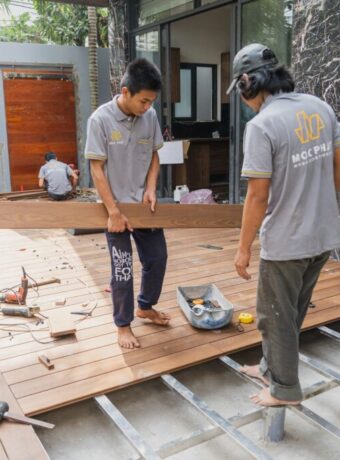
Raised timber decking foundations are gaining popularity but come with serious limitations. You’ll need H5 treated piles rated for ground contact, spaced no more than 1200mm centres. The critical issue here is vibration transfer from heavy appliances, which causes joint failure in timber framing within 3-5 years.
Drainage and Moisture Management
Effective drainage separates successful outdoor kitchen projects from expensive failures. Your foundation must shed water away from the structure while managing groundwater infiltration. A proper installation includes 75mm drainage aggregate under the slab, connected to agricultural drains at 3m intervals.
The slab surface requires minimum 1:60 fall away from any enclosed areas. Most builders use 1:40 fall to account for settlement over time. In high rainfall areas like the West Coast, consider adding a perimeter French drain system — this adds $2,500-4,000 to project costs but prevents foundation undermining.
Moisture barriers deserve serious attention given New Zealand’s wet climate. Use 0.25mm polyethylene sheeting as minimum standard, with 150mm overlaps sealed with builders tape. In coastal locations, upgrade to 0.4mm thickness and add sacrificial anodes for long-term concrete protection.
Seismic and Load Considerations
Seismic design requirements vary dramatically across New Zealand regions. Auckland and Hamilton operate under Zone 1 requirements, allowing standard residential foundation designs. Wellington, Christchurch, and Napier fall under Zone 2-3 classifications requiring engineered solutions for any outdoor kitchen exceeding basic scope.

Load calculations must account for live loads, dead loads, and seismic forces. A typical outdoor kitchen generates 3-4 kPa live load, plus substantial dead loads from masonry work. Stone veneer cladding adds another 2.5 kPa, while overhead pergola structures contribute wind and snow loading.
Connection details between foundation and superstructure require careful consideration. Use minimum M12 anchor bolts at 1200mm centres for masonry construction, upgraded to M16 in high seismic zones. Chemical anchors provide superior performance in existing concrete but cost 3-4 times more than cast-in bolts.
Utility Integration and Access
Modern outdoor kitchens require substantial utility infrastructure — gas, electricity, water, and often data connections. Plan these services during foundation design rather than retrofitting later. Standard practice involves installing 100mm PVC conduits through the slab at predetermined locations.
Gas line requirements follow AS/NZS 5601 standards, requiring steel-sleeved penetrations and proper isolation valves. Position gas meter connections minimum 1000mm from any ignition source and ensure adequate ventilation around termination points. Most councils require licensed gasfitter certification for outdoor kitchen gas work.
Electrical services need weatherproof consumer units rated IP65 minimum. Plan for 32A circuits to handle high-load appliances like pizza ovens or commercial-grade BBQ units. Ground fault protection becomes critical in wet environments — install 30mA RCD protection as minimum standard.
Water supply and drainage connections require careful integration with existing house systems. Install isolation valves accessible from house interior, plus external taps for cleaning and maintenance. Greywater disposal must comply with regional council requirements — some areas prohibit discharge to stormwater systems.
Other Considerations
Future expansion possibilities deserve early consideration given the high cost of foundation modifications. Many successful projects include oversized foundations to accommodate later additions like pizza ovens or expanded seating areas. The marginal cost of additional concrete during initial construction is minimal compared to future demolition and rebuilding.
Maintenance access often gets overlooked until problems arise. Ensure 600mm minimum clearance around all foundation edges for cleaning and inspection. In coastal environments, plan annual concrete sealing to prevent chloride penetration and rebar corrosion.
Building consent requirements continue evolving, particularly around outdoor cooking facilities. Auckland Council now requires full building consent for outdoor kitchens exceeding 10m² floor area, while other regions vary significantly. Check with your local authority early in the design process to avoid costly delays.