Paving Contractors Face New Stormwater Rules Under Updated NZ Standards
- Updated NZS 4404:2026 requires permeable paving for residential driveways exceeding 40m² in Auckland, Wellington, and Christchurch.
- Traditional concrete and asphalt driveways now need integrated stormwater management systems or face consent delays.
- Compliance costs have increased driveway projects by 15-25% but reduce long-term council infrastructure pressure.
Cost Impact by Paving Type
What the New Standards Require
The updated NZS 4404:2026 Land Development and Subdivision Infrastructure standard introduces mandatory stormwater management for residential paving projects. Any driveway or hardstand area exceeding 40m² must now incorporate permeable surfaces or approved drainage systems in high-density urban zones.
These zones currently cover central Auckland, Wellington CBD and suburbs, plus Christchurch’s rebuild areas. The standard responds to increasing flood risks and overloaded stormwater networks across New Zealand’s main centres. You’ll need to demonstrate compliance before building consent approval.
Acceptable permeable paving options include:
- Permeable concrete with 15-20% void ratio
- Porous asphalt meeting NZTA M/10 specifications
- Concrete or clay permeable pavers with aggregate-filled joints
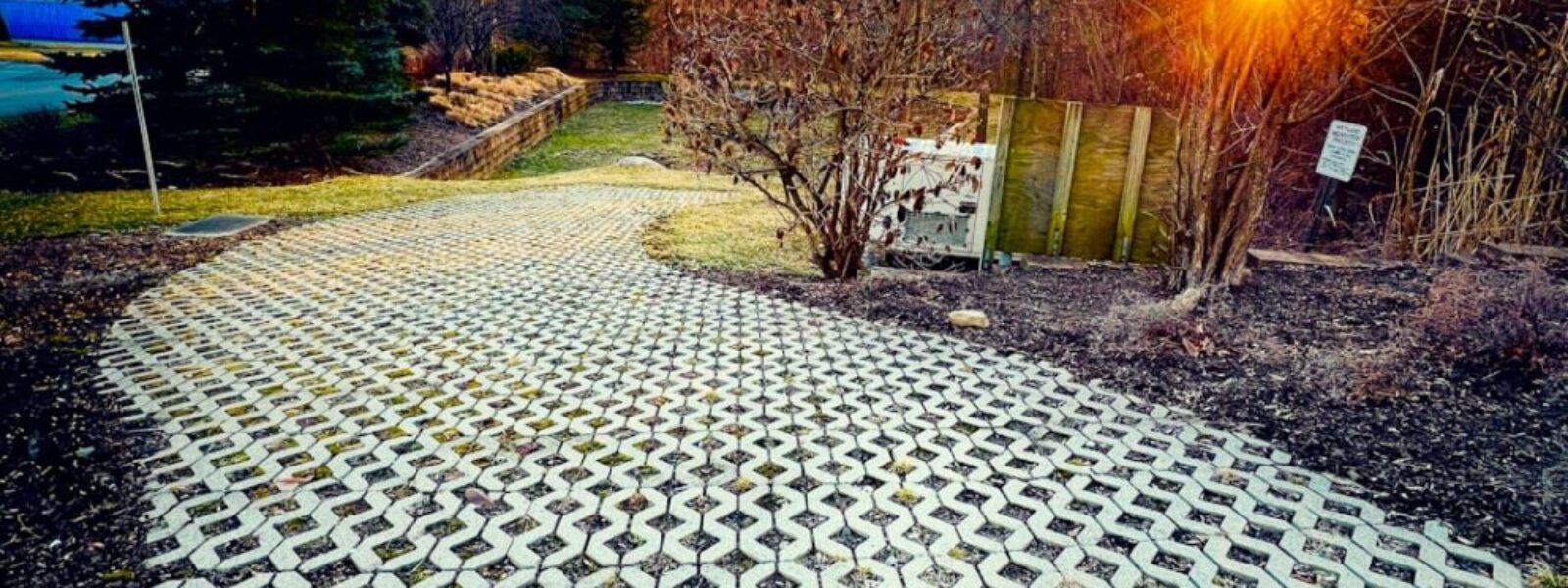
- Reinforced grass or gravel grid systems
- Traditional paving with integrated soakage strips
Note: Permeable surfaces must achieve minimum infiltration rates of 100mm per hour when tested according to ASTM C1701 standard.
Cost Impact on Paving Projects
Industry feedback indicates compliance adds $45-$85 per square metre to traditional concrete or asphalt driveway costs. A typical 60m² residential driveway previously costing $8,500-$12,000 now runs $11,500-$16,500 including stormwater management.
The price increase reflects several factors. Permeable concrete requires specific aggregate grades and modified mix designs, pushing material costs up 35-40%. Installation takes longer due to precise compaction requirements and base preparation. Many contractors need additional training on permeable paving techniques.
For example: A Hamilton homeowner planning an 80m² driveway faced quotes ranging from $14,200 for permeable concrete pavers to $18,800 for porous asphalt with integrated drainage channels. Their original budget of $10,500 for standard concrete proved inadequate under the new requirements.
However, councils report 20-30% faster consent processing for compliant applications, offsetting some project timeline impacts.
Technical Implementation Challenges
The biggest technical hurdle involves soil conditions and climate factors. Permeable paving fails in heavy clay soils common throughout Waikato, Bay of Plenty, and parts of Canterbury. These areas require subsoil drainage systems or alternative compliance paths through detention tanks.

Clay soils with permeability below 10mm per hour need engineered solutions. You’ll typically install 150mm of free-draining aggregate base plus perforated drainage pipes connecting to council networks or on-site soakage areas. This adds $25-$35 per square metre but ensures long-term performance.
Freeze-thaw cycles in Central Otago and Canterbury also affect permeable surface durability. Standard permeable concrete can crack after 5-8 winter cycles, requiring polymer-modified mixes or alternative materials. These upgraded specifications increase costs but extend service life to 15-20 years.
Note: The standard exempts existing driveways from retrofit requirements unless substantial renovation occurs.
Regional Implementation Variations
Auckland Council leads implementation with the strictest requirements. All residential developments in the Unitary Plan’s Mixed Housing Urban and Mixed Housing Suburban zones must comply. Auckland also requires stormwater management plans for commercial paving exceeding 100m².
Wellington City focuses on slope-sensitive areas where runoff contributes to harbour pollution. The council offers $500-$1,500 rebates for voluntary permeable paving upgrades in designated catchments around Oriental Bay and Evans Bay.
Christchurch takes a flexible approach, accepting alternative compliance through rain gardens or detention systems. The rebuild experience influences this pragmatic stance, recognising soil liquefaction risks limit permeable paving options in some areas.
Smaller councils generally follow the national standard but lack technical expertise for complex assessments. Expect longer processing times in provincial areas as staff develop familiarity with new requirements.
Industry Response and Concerns
The Paving Contractors Association argues the standards were rushed without adequate industry consultation. President Mike Henderson notes many small operators lack equipment for proper permeable concrete installation, potentially reducing competition and increasing costs further.
Material suppliers report strong demand for compliant products but limited local manufacturing capacity. Most permeable pavers require importation from Australia, adding 8-12 weeks to project timelines during peak construction seasons.
However, several contractors report new business opportunities. Companies investing in specialised equipment and training gain competitive advantages in the growing permeable paving market. Forward-thinking operators secured training from Australian suppliers during 2025, positioning themselves well for 2026 implementation.
The critical concern involves long-term maintenance. Permeable surfaces require annual cleaning and periodic rehabilitation to maintain infiltration rates. Many homeowners remain unaware of these ongoing responsibilities, potentially creating compliance issues years after installation.
How to Comply with New Requirements
Start your compliance process early in project planning:
- Contact your local council to confirm specific requirements for your zone and soil conditions
- Engage a contractor experienced with permeable paving systems or arrange appropriate training
- Obtain soil permeability testing if your property has clay soils or drainage concerns
- Budget for 20-30% cost increases over traditional paving quotes from 2025
- Plan for extended project timelines due to specialised materials and installation requirements