Concrete Driveway Thickness Requirements: New Zealand Building Code Updates for 2026
- Minimum concrete driveway thickness increased from 100mm to 125mm for residential properties under revised NZ Building Code provisions.
- Steel reinforcement now mandatory for all concrete driveways over 20m² following increased seismic activity assessments.
- Soil bearing capacity testing required for driveways exceeding 50m² in Auckland and Wellington regions due to ground settlement concerns.
Key Specification Changes at a Glance
Understanding the Updated Thickness Standards
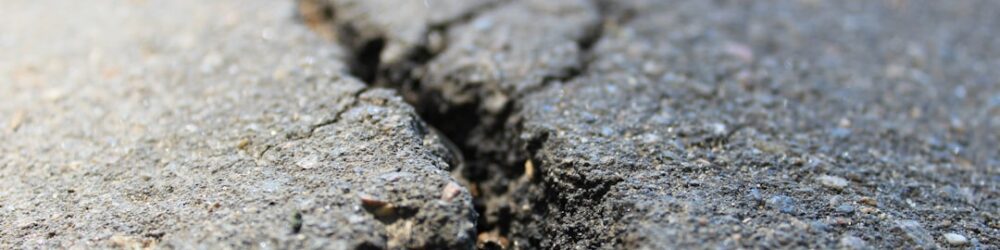
The Building Code revisions effective January 2026 establish new minimum concrete driveway thickness requirements across New Zealand. You must now pour residential driveways at least 125mm thick, up from the previous 100mm standard. This change addresses concerns about premature cracking and structural failure observed in thinner slabs, particularly in regions with expansive clay soils like Hamilton and parts of Christchurch.
The thickness requirement applies to all concrete driveways supporting standard passenger vehicles up to 3.5 tonnes gross vehicle mass. For heavier vehicles or commercial applications, you need 150mm minimum thickness with engineer certification. These standards align with AS 3600 concrete structures code and factor in New Zealand’s seismic conditions across all zones.
Reinforcement Requirements You Cannot Ignore
Steel reinforcement becomes mandatory for any concrete driveway exceeding 20m² under the updated provisions. You must install D12 deformed bars at 300mm centres both ways, positioned 60mm from the top surface. This requirement stems from analysis of earthquake damage patterns where unreinforced concrete showed significantly higher failure rates.
The reinforcement specification differs based on your location’s seismic zone classification. In Zone 3 and 4 areas including Wellington and parts of Canterbury, you need additional edge reinforcement using D16 bars around the perimeter. Mesh reinforcement using 665 welded wire mesh represents an acceptable alternative for slabs under 40m², but bar reinforcement performs better in high-stress applications.
Tie your reinforcement to the foundation or existing concrete structures where the driveway connects to garages or house slabs. This continuity prevents differential movement that causes cracking at joints. Position reinforcement on plastic bar chairs or concrete blocks to maintain proper cover during the pour.
Soil Assessment and Preparation Standards
Ground conditions determine whether your driveway meets the new building standards. You must conduct soil bearing capacity testing for any driveway exceeding 50m² in Auckland, Wellington, and designated areas of Canterbury where recent ground movement has been documented. The test confirms your soil can support the imposed loads without excessive settlement.
Standard soil bearing capacities range from 100kPa for soft clay to 300kPa for dense sand and gravel. If your soil tests below 150kPa, you need either deeper excavation to reach competent material or engineered solutions like lime stabilisation or aggregate pier systems. These interventions add $15-25 per square metre to project costs but prevent future structural problems.
Prepare your sub-base using 75mm of AP40 aggregate compacted to 95% maximum dry density. This depth increased from 50mm under previous guidelines. The thicker sub-base distributes loads more effectively and provides better drainage, crucial for preventing frost heave in areas like Otago and Canterbury that experience freeze-thaw cycles.
Concrete Mix Design and Placement
Your concrete mix must achieve minimum 25MPa compressive strength at 28 days for standard residential driveways. Specify 20mm maximum aggregate size with a slump between 80-120mm for proper workability around reinforcement. Add air entrainment to 4-6% where freeze-thaw exposure occurs, particularly in South Island locations above 300m elevation.
Typical mix proportions use 320kg cement per cubic metre with 0.5 water-cement ratio. Include fly ash or slag replacement up to 20% of cement content for improved durability and reduced shrinkage. This substitution becomes particularly important in coastal environments where chloride exposure accelerates corrosion of reinforcement.
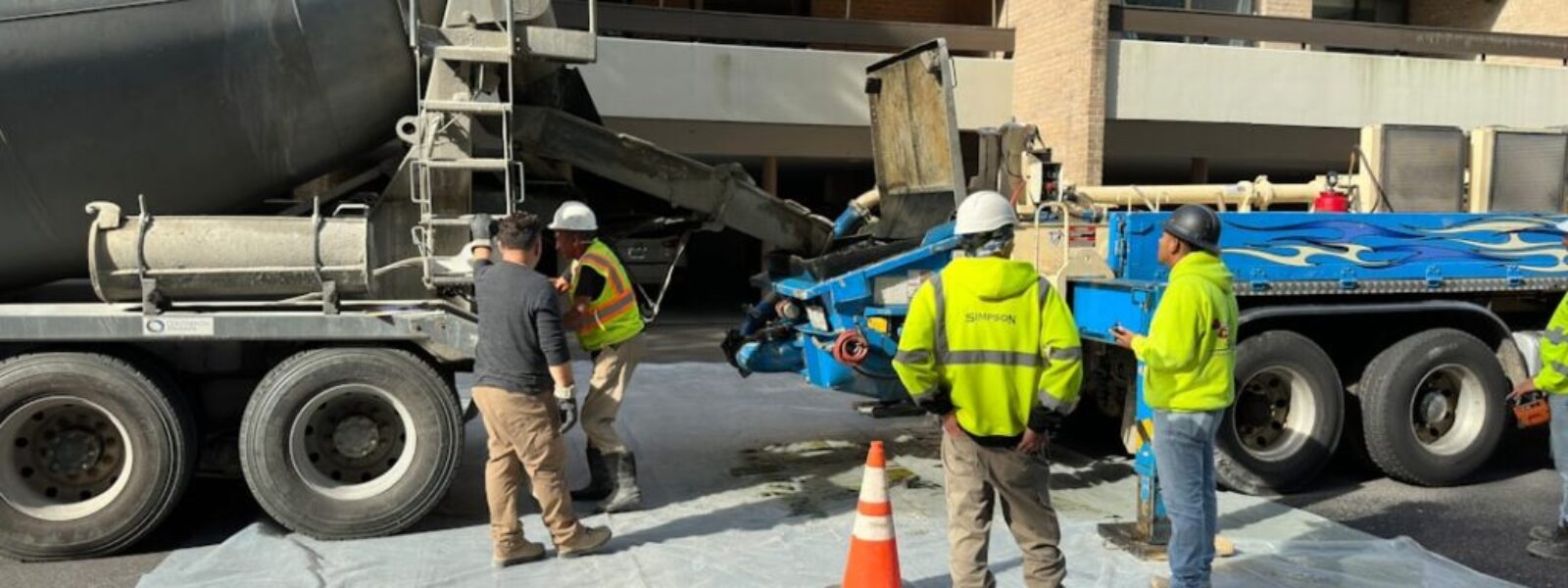
Pour concrete in one continuous operation where possible to eliminate cold joints. Place reinforcement before starting the pour and use vibration to eliminate air voids around steel bars. Maintain consistent thickness by setting screeds at 125mm above the prepared sub-base level.
Questions to Ask Your Contractor
Verify your contractor understands the updated Building Code requirements by asking specific questions about thickness and reinforcement specifications. Request confirmation they will provide soil bearing capacity testing documentation if your project requires it. Ask to see their concrete supply certification showing mix design compliance with 25MPa strength requirements.
Inquire about their reinforcement installation process and how they ensure proper concrete cover over steel bars. Check they plan appropriate curing procedures including water application or curing compound use for at least seven days after placement. Confirm they will provide building consent documentation and obtain required inspections before concrete placement.
Ask about their experience with projects under the new Building Code provisions. Contractors familiar with the updated requirements can identify potential issues before they become costly problems during construction or inspection phases.
Why These Standards Matter for Your Project
The revised concrete driveway thickness requirements reflect real-world performance data showing inadequate durability in previous installations. Thinner slabs frequently developed structural cracks within 5-10 years, leading to expensive replacement costs averaging $120-150 per square metre. The new 125mm minimum thickness extends service life to 25-30 years with proper construction techniques.
These standards also ensure your driveway meets building consent requirements and maintains property value. Non-compliant installations create liability issues during property sales and may require expensive remediation work. Following the updated specifications provides long-term protection for your investment while meeting New Zealand’s evolving seismic and environmental challenges.