Landscaping Drainage Solutions for New Zealand’s Extreme Weather Events
- Auckland’s February 2023 flooding damaged over 2,800 properties with inadequate landscaping drainage systems failing to handle 240mm of rain in 24 hours.
- NZS 4404:2010 now requires subsurface drainage for all landscaping projects on slopes greater than 1:20 or in areas with seasonal water tables.
- Properly designed swales and French drains can reduce surface runoff by up to 85 percent while meeting Building Code requirements for foundation protection.
Landscaping Drainage: Key Performance Figures
Why Traditional Landscaping Drainage is Failing
New Zealand’s increasingly volatile weather patterns are exposing serious weaknesses in conventional landscaping drainage approaches. The traditional reliance on surface grading and basic stormwater connections simply cannot handle the intensity of modern rainfall events. Auckland Council data shows that properties with inadequate landscaping drainage experienced foundation damage at three times the rate of properly drained sites during the 2023 flooding events.
The problem extends beyond just heavy rainfall. Clay soils common across much of the North Island create seasonal saturation issues that traditional drainage ignores. When autumn rains saturate clay substrates, spring rainfall has nowhere to go except across surfaces and into foundations. This creates the perfect storm for landscape failure, foundation settlement, and property damage.
Building Code clause E1.3.2 requires that surface water be diverted away from buildings, but many landscaping projects treat this as an afterthought rather than a design foundation. The result is expensive retrofitting when problems become apparent months or years later.
Subsurface Drainage System Requirements
NZS 4404:2010 sets out specific requirements for subsurface drainage in landscaping projects. Any site with a slope steeper than 1:20 or with identified seasonal water table issues must include subsurface drainage as part of the design. This is not optional guidance—it is a mandatory standard.
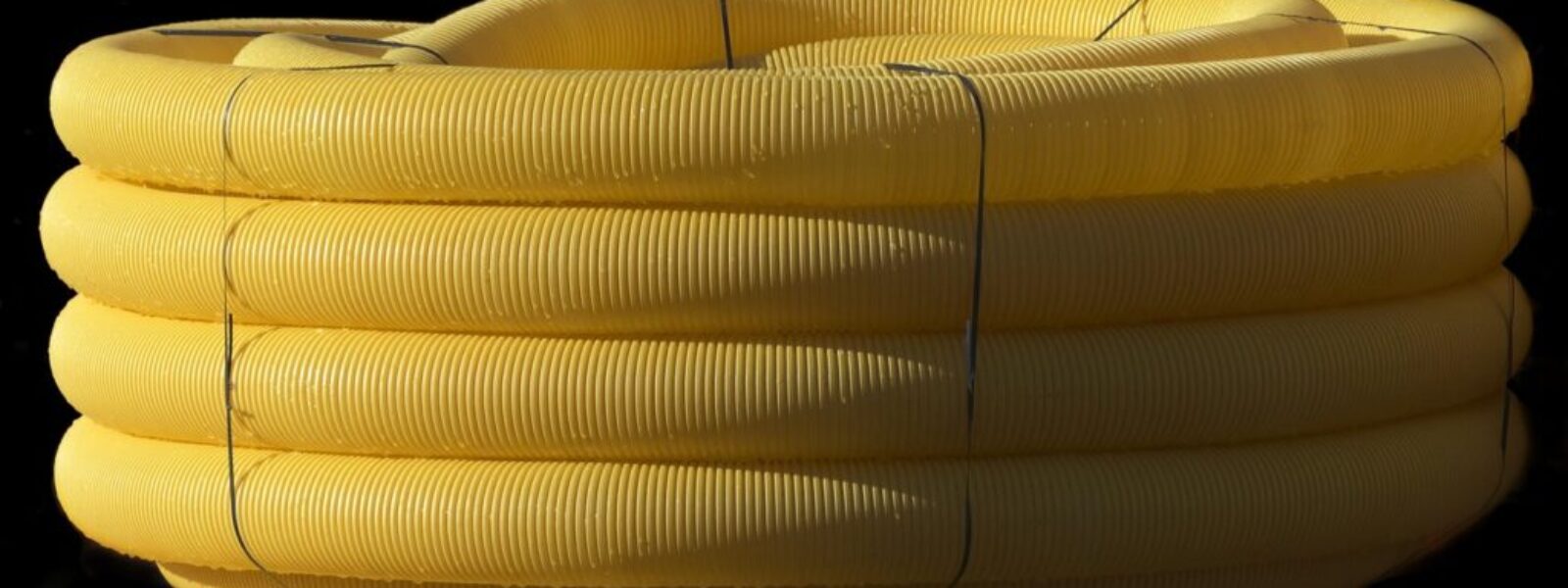
The minimum specification calls for 100mm diameter agricultural drainage pipe installed at maximum 5-metre centres, with a minimum fall of 1:100. The pipe must be surrounded by 20mm aggregate wrapped in geotextile fabric to prevent sediment infiltration. Connection points to the main drainage system require inspection chambers at maximum 30-metre intervals.
Note: In areas identified as high liquefaction risk under NZS 1170.5, additional drainage requirements apply including deeper installation and closer spacing.
For example: A typical residential landscaping project on a 1:15 slope would require subsurface drainage pipes every 4 metres running parallel to the slope, connected to a main collector drain running perpendicular at the base. The system must discharge to an approved stormwater system or suitable soakage area.
Surface Water Management Strategies
Effective surface water management requires multiple integrated approaches rather than relying on single solutions. Swales designed to NZS 4404 specifications can handle significant volumes while adding landscape value. A properly constructed swale should have side slopes no steeper than 1:3, a minimum base width of 300mm, and longitudinal grade between 1:100 and 1:20.

Permeable paving systems offer excellent performance for driveways and pathways. Concrete block pavers with 10mm joints filled with 5-7mm aggregate can achieve infiltration rates of 200mm per hour—more than adequate for most New Zealand rainfall intensities. However, these systems require proper preparation including 150mm of free-draining aggregate base and connection to subsurface drainage.
Rain gardens provide both aesthetic and functional benefits when correctly designed. The depression should be 150-300mm deep with overflow connection to the drainage system. Plant selection is critical—sedges, flaxes, and native grasses perform well in New Zealand conditions while providing year-round visual interest.
- Carex secta (purei) for wet areas with good pollution filtering
- Phormium tenax (harakeke) for wind resistance and visual screening
- Austroderia toetoe for large-scale installations requiring minimal maintenance
French Drain Installation Standards
French drains remain one of the most effective landscaping drainage solutions when installed correctly. The critical factor is proper sizing and construction—many failures result from inadequate aggregate specification or poor installation technique. The trench width should be 300-450mm with depth determined by the drainage requirement, typically 600-900mm for residential applications.
Use 20-40mm clean aggregate—not crusher dust or mixed-size material that will clog over time. The drainage pipe sits in the bottom third of the aggregate, not at the bottom of the trench. This positioning allows water to enter along the entire pipe length rather than just at the downstream end.
Geotextile fabric is mandatory to prevent soil infiltration. Wrap the entire aggregate column, not just the pipe. Use a minimum 200gsm non-woven fabric that can handle the soil conditions. In clay soils, upgrade to 300gsm to prevent premature clogging.
Note: Building consent is required if French drains connect to public stormwater systems or if they are part of a foundation drainage system under Building Code clause E1.
Retention and Detention Systems
Larger landscaping projects may require retention or detention systems to meet council stormwater requirements. These systems temporarily store runoff during peak rainfall events, releasing it slowly to prevent downstream flooding. Design requirements vary significantly between councils, but typical specifications call for storage equivalent to 1.5 times the calculated runoff volume.
Detention ponds require careful design to prevent mosquito breeding and aesthetic issues. A permanent water level of at least 1 metre depth with appropriate circulation prevents stagnation. Emergency spillways must handle the 100-year rainfall event with freeboard provisions for wave action and settlement.
Underground detention systems using plastic crates or concrete tanks offer space-efficient alternatives for urban sites. These systems typically cost $150-250 per cubic metre installed but require professional design to ensure adequate capacity and overflow protection.
Maintenance access is critical for all retention systems. Inspection chambers, accessible valve controls, and clear documentation of the system layout prevent future problems. Council requirements typically include annual inspection and maintenance certification.
Integration with Building Code Requirements
Landscaping drainage cannot be designed in isolation from building requirements. Building Code clause E1.3.1 requires foundation protection from groundwater, which directly impacts landscaping design. Any landscaping work within 1 metre of a building foundation must consider foundation drainage requirements.
Where landscaping drainage connects to foundation drainage systems, the design must ensure adequate capacity for combined flows. This typically requires upgrading pipe sizes from the minimum 100mm to 150mm or larger. Professional drainage design becomes mandatory for these integrated systems.
Seismic considerations also apply in many New Zealand locations. Flexible joints and proper bedding prevent damage during ground movement. In Wellington and Canterbury, additional design requirements apply under NZS 1170.5 for structures including substantial drainage systems.
For example: A landscaping project adjacent to a new dwelling in Christchurch would require seismic-resistant drainage connections, foundation protection to 150mm below the lowest floor level, and integration with the building’s perimeter drainage system.
Cost Considerations and Value Engineering
Proper landscaping drainage represents a significant upfront investment but prevents much larger costs from water damage and retrofitting. Basic subsurface drainage costs $45-65 per linear metre installed, while comprehensive systems with retention elements can reach $150-200 per linear metre.
However, insurance claims from inadequate drainage average $25,000-40,000 for residential properties, making the investment in proper systems highly cost-effective. Many insurers now require evidence of adequate drainage for properties in flood-prone areas.
Value engineering opportunities exist in system integration and material selection. Combining landscaping drainage with foundation drainage during construction reduces overall costs. Specifying locally available aggregates and using proven plant species reduces ongoing maintenance expenses.
The Auckland February 2023 flooding highlighted the enormous cost of inadequate drainage infrastructure. Properties with proper landscaping drainage experienced minimal damage while neighbouring sites suffered tens of thousands in damage.
What to Do Next
Start by obtaining council requirements for your specific site including any special flood or liquefaction provisions. Most councils now have detailed stormwater requirements that directly impact landscaping drainage design.
Engage a qualified drainage designer or landscape architect for any project involving slopes greater than 1:20, sites near waterways, or properties with known drainage issues. The cost of professional design is minimal compared to retrofitting failed systems.
Specify quality materials including proper aggregate grades, geotextile fabric, and certified drainage pipe. Cheap materials guarantee expensive problems within 2-3 years.
Plan maintenance access and documentation from the design stage. Provide clear drawings showing pipe locations, inspection points, and maintenance requirements for future property owners.
Consider climate change projections in your design. Rainfall intensity predictions suggest 20-30 percent increases in peak events over the next 20 years, making oversized systems a prudent investment.