
Auckland Masonry Contractor Guide: Choosing the Right Bricklaying & Blockwork Professional
- Auckland’s clay soil and seismic Zone 1 requirements demand masonry contractors with specific NZ Building Code expertise for structural blockwork.
- Quality lime mortar joints can last 150+ years when properly mixed and applied, while poor cement-heavy mortars fail within decades.
- Licensed Building Practitioners (LBP) are mandatory for structural masonry work in Auckland, with penalties up to $20,000 for unlicensed work.
What Defines Quality Masonry Contracting
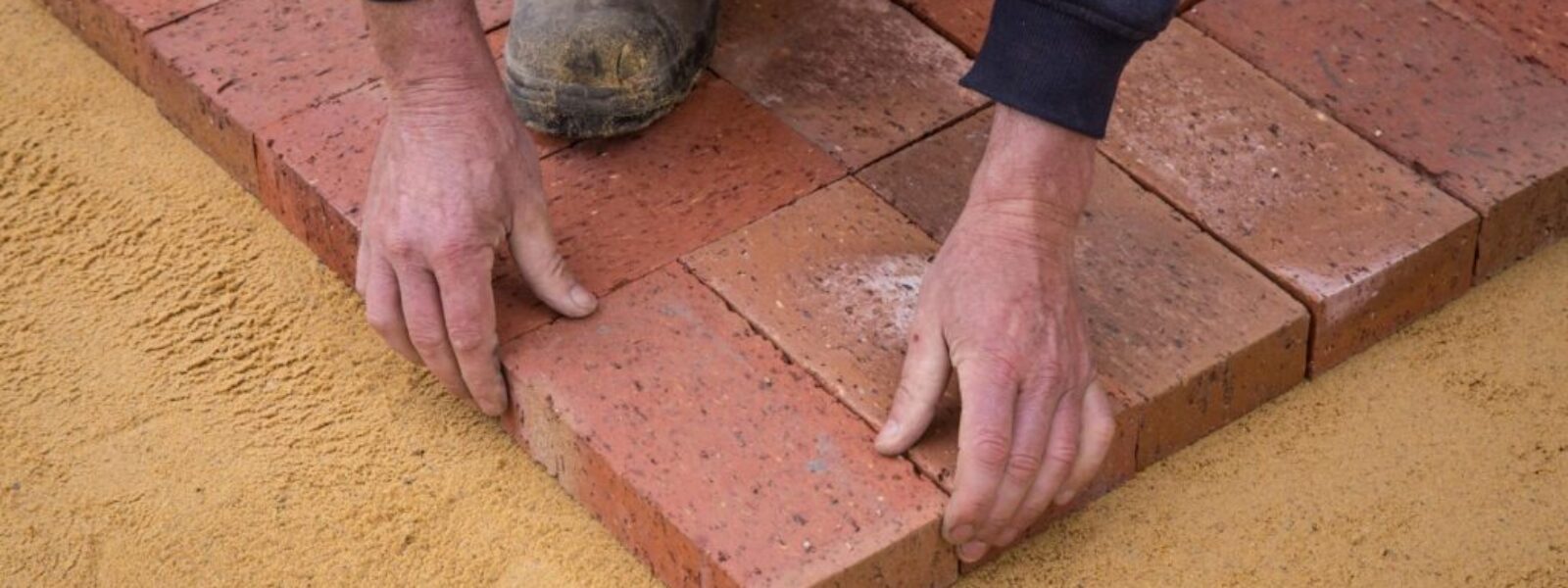
Masonry contracting in Auckland encompasses bricklaying, blockwork, stone veneer, and concrete masonry construction. The field demands precision — a 2mm deviation in block alignment can compromise an entire wall’s structural integrity. Auckland’s specific challenges include expansive clay soils that shift seasonally, seismic requirements under NZS 4230, and coastal exposure in many suburbs requiring salt-resistant materials.
Professional masonry contractors understand material science. Proper mortar composition significantly affects long-term durability of historic masonry structures, with lime-based mortars offering superior flexibility and breathability compared to rigid cement mortars. This principle applies equally to modern Auckland construction, where thermal movement and ground settlement are constant factors.
Auckland Masonry Contractor Costs
The craft requires both technical knowledge and physical skill. Experienced contractors read plans, calculate material quantities, and execute complex details like stepped foundations on sloping sites. They understand Auckland Council’s requirements for building consent applications and can navigate the RMA processes for retaining walls over 1.5m height.
- → Structural masonry must comply with NZS 4230 seismic design requirements
- → Mortar mix ratios affect durability — typically 1:3 cement:sand for structural work
- → Auckland’s clay soils require proper drainage behind retaining walls
Essential Qualifications and Licensing
Every structural masonry contractor in Auckland must hold a current Licensed Building Practitioner (LBP) credential. This isn’t optional — Building Act 2004 mandates LBP involvement for any restricted building work. The licence categories include ‘Bricklayer and Blocklayer’ and ‘Design AOP 2’ for structural design work. Check the LBP register online; expired or non-existent licences signal immediate red flags.
Beyond basic licensing, experienced contractors hold additional certifications. Site Safe Passport demonstrates health and safety competency. First Aid certificates show professional responsibility. Many quality contractors complete ongoing BCITO training or manufacturer-specific courses for products like Firth masonry blocks or James Hardie cladding systems.
Insurance coverage separates professionals from cowboys. Minimum $2 million public liability insurance protects homeowners from third-party claims. Professional indemnity insurance covers design errors. Workers’ compensation protects against on-site injuries. Request current certificates — not photocopies from 2019.
- → LBP credentials are searchable on the Building Practitioners Board website
- → Public liability insurance should cover minimum $2 million per claim
- → Check licence expiry dates — renewals require continuing professional development
Technical Competency Assessment
Quality contractors demonstrate deep technical knowledge during initial consultations. They should explain mortar joint types — struck, weathered, or flush — and their applications. They understand damp-proof courses, cavity wall construction, and thermal bridge mitigation. Ask about expansion joints in long walls; good contractors know 6m spacing prevents cracking.
Site assessment reveals competency levels. Professional contractors evaluate soil conditions, drainage patterns, and existing structures. They identify potential issues like overhead power lines, underground services, or boundary complications before quoting. They measure accurately and provide detailed material schedules showing brick quantities, mortar volumes, and reinforcement requirements.
Building Code knowledge is non-negotiable. Contractors must understand E2/AS1 weatherproofing requirements, B1/AS1 structural provisions, and E1/AS1 surface water management. They should explain how their work integrates with other trades — foundation contractors, roofers, and painters. Poor contractors focus only on their immediate scope without considering system interactions.
- → Competent contractors explain mortar curing times — typically 28 days for full strength
- → They understand thermal expansion — 10mm movement in 10m of masonry per 50°C temperature change
- → Quality assessment includes checking existing structures for movement or deterioration
Red Flags and Warning Signs
Door-to-door operators represent the biggest risk category. Legitimate masonry contractors don’t cold-call homeowners or pressure for immediate decisions. Be especially wary of operators claiming leftover materials from nearby jobs — this classic scam targets elderly homeowners with overpriced, substandard work.
Pricing red flags include extremely low quotes that seem too good to be true, cash-only payment demands, or large upfront payments. Quality bricklaying costs $80-120 per square metre in Auckland depending on complexity. Block retaining walls range $350-500 per square metre including excavation. Quotes significantly below market rates indicate corner-cutting on materials, labour, or compliance.
Communication problems signal deeper issues. Contractors who avoid written quotes, refuse to explain technical details, or can’t provide local references likely lack competency. Missing insurance certificates, expired licences, or reluctance to apply for building consents indicate unprofessional operations that expose homeowners to significant liability.
- → Legitimate contractors never pressure for immediate decisions or large upfront payments
- → Quotes below $70/m² for standard brickwork often indicate substandard materials or methods
- → Refusal to provide written contracts or building consent applications indicates non-compliance
Evaluation Framework and Key Questions
Develop a systematic evaluation approach comparing three or more contractors. Request identical scope specifications — same wall height, material quality, and finish requirements. Compare not just prices but included services like site preparation, waste disposal, and post-completion cleanup. Quality contractors include these items transparently rather than adding surprise costs later.
Ask specific technical questions that reveal competency levels. “How do you handle moisture management in cavity walls?” Good answers include installing cavity trays, weep holes at 450mm centres, and maintaining 50mm cavity widths. “What’s your approach to winter construction?” Professional contractors explain frost protection methods and temperature monitoring procedures.
Reference checks provide crucial insights. Contact three recent customers with similar project scopes. Ask about timeline adherence, site cleanliness, problem resolution, and final quality. Research on historic masonry conservation demonstrates that proper workmanship affects longevity significantly — the same principles apply to modern residential construction where cutting corners creates expensive future problems.
- → Quality contractors explain Building Code compliance rather than dismissing regulatory requirements
- → Reference customers should report consistent timeline adherence and professional communication
- → Technical knowledge assessment should cover drainage, seismic ties, and thermal movement accommodation
Contract and Project Management
Written contracts protect both parties and demonstrate professionalism. Contracts should specify materials by brand and grade — “Firth Maxiblock 390x190x190mm” rather than generic “concrete blocks.” Include timeline milestones, payment schedules tied to completion stages, and variation procedures for scope changes. Quality contractors welcome detailed contracts as protection against scope creep.
Project management capabilities separate good contractors from great ones. Professional operators provide daily progress updates, maintain clean sites, and coordinate with other trades effectively. They understand Auckland’s resource consent timelines, weather window planning, and material delivery logistics. They communicate proactively about delays or complications rather than hoping problems resolve themselves.
Warranty provisions indicate confidence in workmanship quality. Standard industry practice provides 12-month defects liability covering workmanship failures. Some contractors offer extended warranties on specific elements like waterproofing or structural components. Ensure warranty terms are written clearly and include remediation procedures, not just replacement obligations.
- → Payment schedules should align with completion milestones — never pay large sums upfront
- → Material specifications prevent substitution of inferior products during construction
- → Professional project management includes coordination with Auckland Council inspections
Key Takeaways
- → Verify LBP credentials and current insurance certificates before engaging any masonry contractor in Auckland
- → Quality bricklaying costs $80-120 per square metre — quotes significantly below this range indicate compromised quality or compliance
- → Technical competency assessment should cover Building Code knowledge, material science understanding, and site-specific challenges like Auckland’s clay soils
- → Written contracts with detailed material specifications and milestone-based payments protect against substandard work and cost overruns
- → Reference checks from recent customers reveal actual performance levels and problem-resolution capabilities
- → Professional contractors embrace building consent processes and regulatory compliance rather than seeking shortcuts