
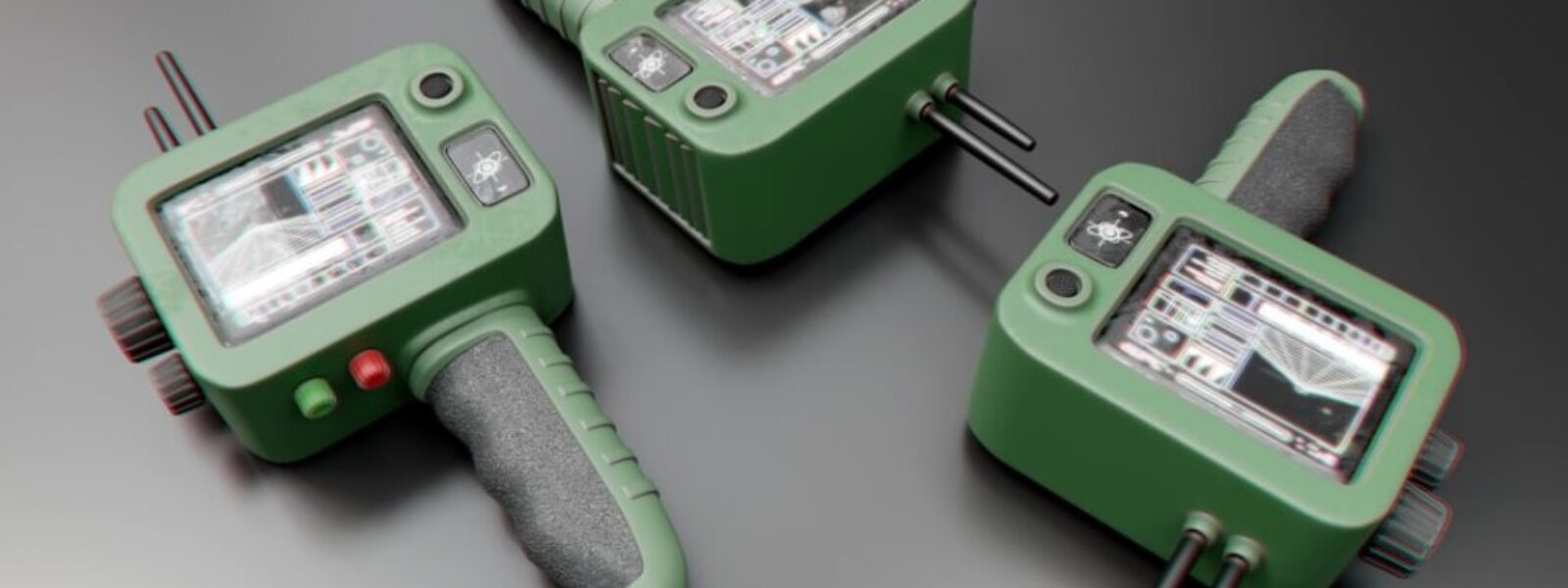
Digital Moisture Meters Face Accuracy Questions After Wellington Building Failures
Digital moisture meters used by thousands of NZ builders are showing concerning accuracy variations, with some Wellington projects reporting 15-20% measurement differences between different meter brands on identical building materials.
Pin-Type vs Pinless Meters Show Major Discrepancies
The Wellington building defects have exposed a critical issue many of us in the trade suspected but rarely discussed openly. Pin-type meters, which physically penetrate the material, are giving readings that differ significantly from pinless electromagnetic models on the same timber samples. In one documented case, a Protimeter Surveymaster (pin-type) showed 18% moisture content while a Tramex Encounter Plus (pinless) registered 12% on identical framing timber.
Moisture Meter Accuracy Issues
This isn’t just a theoretical problem. When you’re dealing with H1.2 framing that needs to be below 18% moisture content before cladding installation per NZS 3604, these variations can mean the difference between proceeding with work or costly delays.
Calibration Standards Vary Between Manufacturers
The root of the problem lies in how different manufacturers calibrate their meters. Most digital moisture meters sold in NZ are calibrated for Northern Hemisphere timber species – predominantly Douglas Fir and Pine varieties that have different density characteristics than our Radiata Pine and treated timber products.
According to BRANZ, moisture meter accuracy can vary by up to 3-4 percentage points when used on NZ timber species without proper species-specific calibration. For builders working with treated H1.2 or H3.2 timber, this margin of error becomes critical when assessing whether materials meet Building Code requirements.
Popular brands like Flir MR77, Ryobi RPW-2000, and Wagner MMC220 all use different calibration curves. The Wagner units, commonly available at Bunnings for around $180, are calibrated for Northern Hemisphere species and consistently read 2-3% higher on NZ Radiata Pine compared to laboratory-grade reference meters.
Temperature and Chemical Treatment Effects
The Wellington cases also highlighted how chemical timber treatments affect meter accuracy. H3.2 CCA-treated posts and bearers showed wildly inconsistent readings, with some meters registering false high moisture levels due to the copper and chromium compounds interfering with electromagnetic sensors.
Temperature compensation is another weak point. During Auckland’s recent 35°C summer days, several builders reported moisture meters giving readings 4-5% higher than the same materials tested at 20°C. Most budget meters under $300 lack automatic temperature compensation, requiring manual adjustments that many operators skip.
What This Means for Your Next Job
Don’t rely on a single moisture meter reading for critical decisions. If you’re using a digital moisture meter for pre-clad moisture checks, building inspections, or leak detection, cross-check with a different meter type or take multiple readings from various points on the same material.
For commercial work, consider investing in a meter with NZ timber species calibration. The Protimeter Hygromaster costs around $800 but includes specific settings for Radiata Pine and treated timber. Alternatively, many hire shops now stock calibrated meters for around $45 per week.
The bigger concern is liability. If your moisture meter gives a false low reading and you proceed with cladding installation on timber that’s actually above 18% moisture content, you could be facing weathertightness issues down the track. Insurance companies are becoming increasingly strict about documented moisture testing procedures.
My recommendation: Treat digital moisture meters as screening tools, not definitive measurement devices. For any reading above 15%, get a second opinion with a different meter type or send samples for laboratory testing if the project value warrants it.