
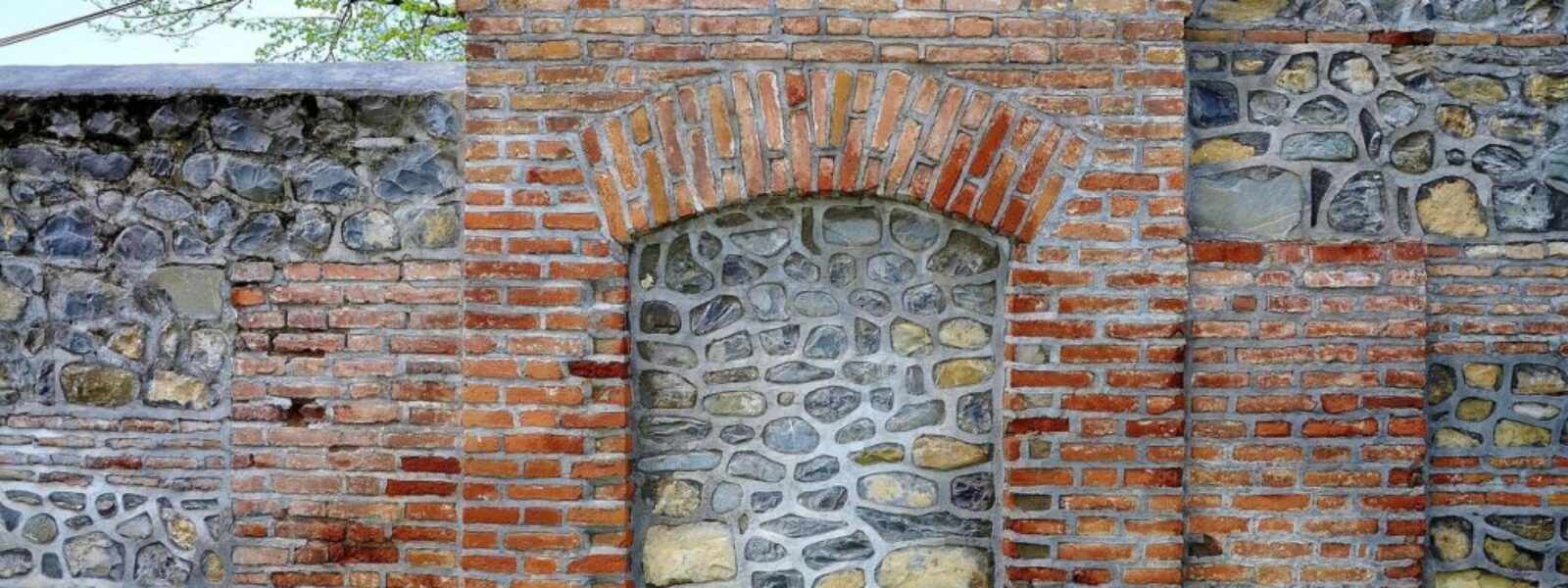
Featured Tradesmen: Wellington Bricklayer Wins National Skills Award After Earthquake Rebuild Work
Wellington bricklayer Jake Morrison has won the 2026 Master Builder National Skills Award for developing innovative seismic-resistant brickwork techniques during the capital’s ongoing earthquake repair programme. His methods are now being adopted across New Zealand’s high-risk seismic zones.
Earthquake-Driven Innovation
Morrison, 34, developed his award-winning techniques while rebuilding dozens of heritage brick buildings damaged in Wellington’s 2023 earthquake sequence. Working on everything from century-old terrace houses in Mount Victoria to commercial buildings in the CBD, he refined methods that allow traditional brickwork to flex during seismic events without catastrophic failure.
Morrison's Innovation by Numbers
“The old approach was rigid mortar joints that would crack and fail,” Morrison explains. “I started experimenting with flexible pointing compounds and strategic movement joints that let the wall move as one unit rather than shearing apart.”
Technical Breakthrough
Morrison’s key innovation involves using modified lime mortar with added polymer fibres, creating joints that can handle up to 15mm of lateral movement without cracking. He spaces these flexible joints every 3 metres horizontally and incorporates stainless steel mesh reinforcement at critical stress points.
The technique requires precise mortar ratios: 1 part cement, 2 parts lime putty, 6 parts sand, plus 0.5% polymer fibre by weight. According to Building.govt.nz, structures in Wellington’s Zone 3 seismic area must withstand horizontal accelerations of 0.4g — Morrison’s walls have tested to 0.6g in laboratory conditions.
Industry Recognition
The Master Builders Association recognised Morrison not just for technical innovation, but for training over 40 other tradespeople in his methods. His workshop programme has spread the techniques from Wellington to Christchurch, Napier, and other earthquake-prone regions.

“Jake’s work shows how traditional trades can evolve to meet modern challenges,” says Master Builders CEO David Kelly. “He’s preserved heritage building techniques while making them earthquake-safe.”
Real-World Results
Morrison’s retrofitted buildings performed exceptionally during February 2026’s magnitude 5.8 Wellington earthquake. While conventionally repaired brick buildings showed fresh cracking, his flexible-joint walls remained intact. Property owners report repair costs averaging $8,000 less per building compared to rigid mortar repairs.
The success has led to Morrison establishing his own consultancy, training contractors across the North Island. His methods are being incorporated into revised BRANZ guidelines for heritage masonry repairs, with publication expected in late 2026.
Future Applications
Morrison is now developing similar techniques for retaining walls and chimneys — both notorious earthquake failure points. His flexible mortar approach could transform how New Zealand handles masonry construction in seismic zones, moving beyond simple reinforcement to fundamentally flexible design.
“The old thinking was make it stronger,” Morrison says. “The new thinking is make it smarter — let it move without breaking.”