
Building Regulations NZ: New Fire Safety Standards Hit Multi-Storey Projects
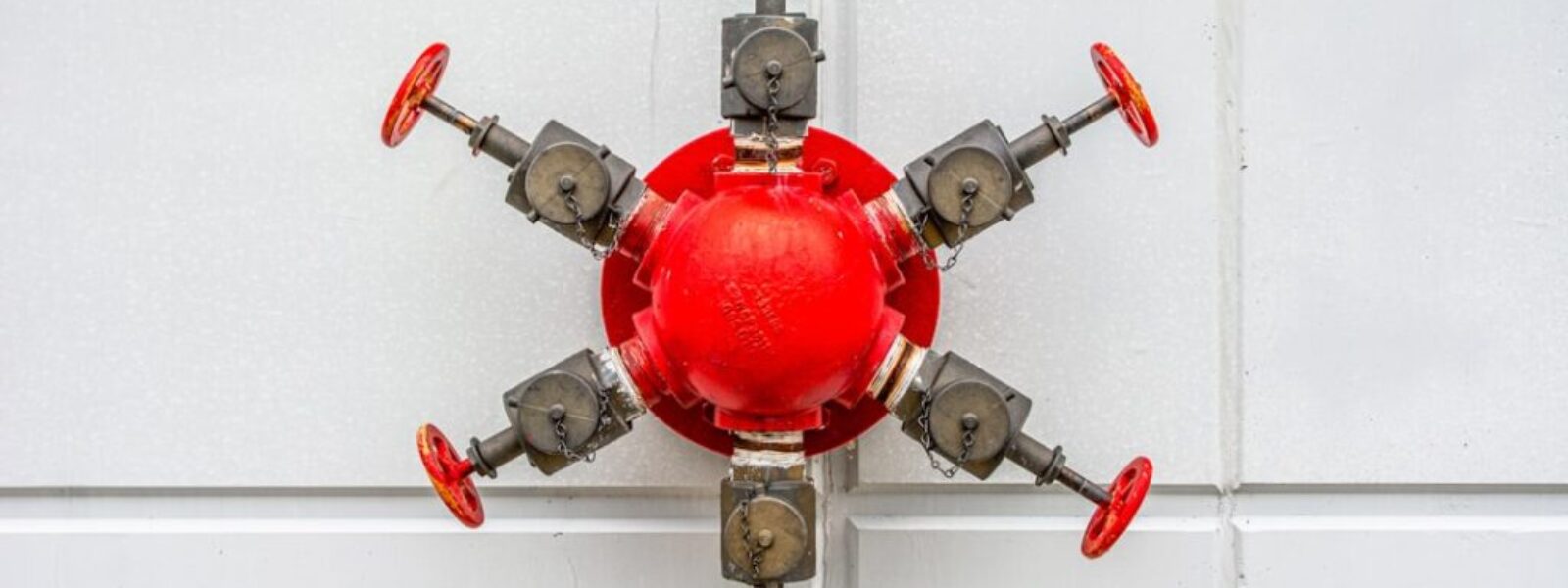
New fire safety standards starting July 2026 will require automatic sprinkler systems in all residential buildings over three storeys and commercial buildings over 10m height. The changes add an estimated $15,000-25,000 to typical apartment builds but could prevent another SkyCity-scale disaster.
What’s Changed in the Building Code
The updated Clause C Protection from Fire introduces mandatory sprinkler systems for buildings that previously relied on passive fire protection alone. Any residential building exceeding three storeys or 10m in height now requires a full sprinkler system meeting NZS 4541. Commercial and mixed-use buildings over 10m must install systems complying with NZS 4515, with no exemptions for existing consent applications lodged before the deadline.
Fire Safety Cost Impact
The new rules also tighten evacuation requirements. Buildings between 10-25m height need two independent escape routes, while anything over 25m requires pressurised stairwells and emergency lighting systems that operate for minimum 90 minutes during power failure.
Cost Impact on Current Projects
For a typical four-storey apartment block, installing a compliant sprinkler system costs $18,000-23,000 including pumps, tanks, and distribution network. That’s on top of the existing fire-rated construction requirements. Larger commercial developments face bills of $40,000-60,000 depending on building complexity and water supply arrangements.
The timing couldn’t be worse for developers already dealing with elevated construction costs. Projects that received building consent before 1 July 2026 can proceed under existing rules, but any variations or new applications must meet the upgraded standards. This has triggered a rush of consent applications in recent weeks.
Regional Compliance Challenges
Auckland and Wellington councils report processing delays as developers scramble to lodge applications before the deadline.
According to Building Performance, councils must still assess each application thoroughly despite the volume surge, with no fast-track provisions for pre-deadline submissions.

Rural areas face additional hurdles where water pressure and supply capacity may not support sprinkler systems. Properties on tank water or low-pressure supplies need expensive pump stations and storage tanks, potentially doubling the installation cost.
Why the Changes Matter
These regulations follow recommendations from the 2019 SkyCity fire investigation and align New Zealand with Australian fire safety standards. The key driver is reducing evacuation time in high-density residential buildings where occupants may be sleeping or unfamiliar with escape routes.
Fire Engineering specialists argue the changes are overdue, pointing to overseas apartment fires where sprinkler systems prevented casualties. However, some smaller developers question whether the blanket approach makes sense for all building types, particularly low-occupancy commercial buildings in rural areas.
The new standards apply nationwide from 1 July 2026, with no regional variations or phase-in periods. Existing buildings aren’t affected unless they undergo major alterations exceeding 50% of floor area.